
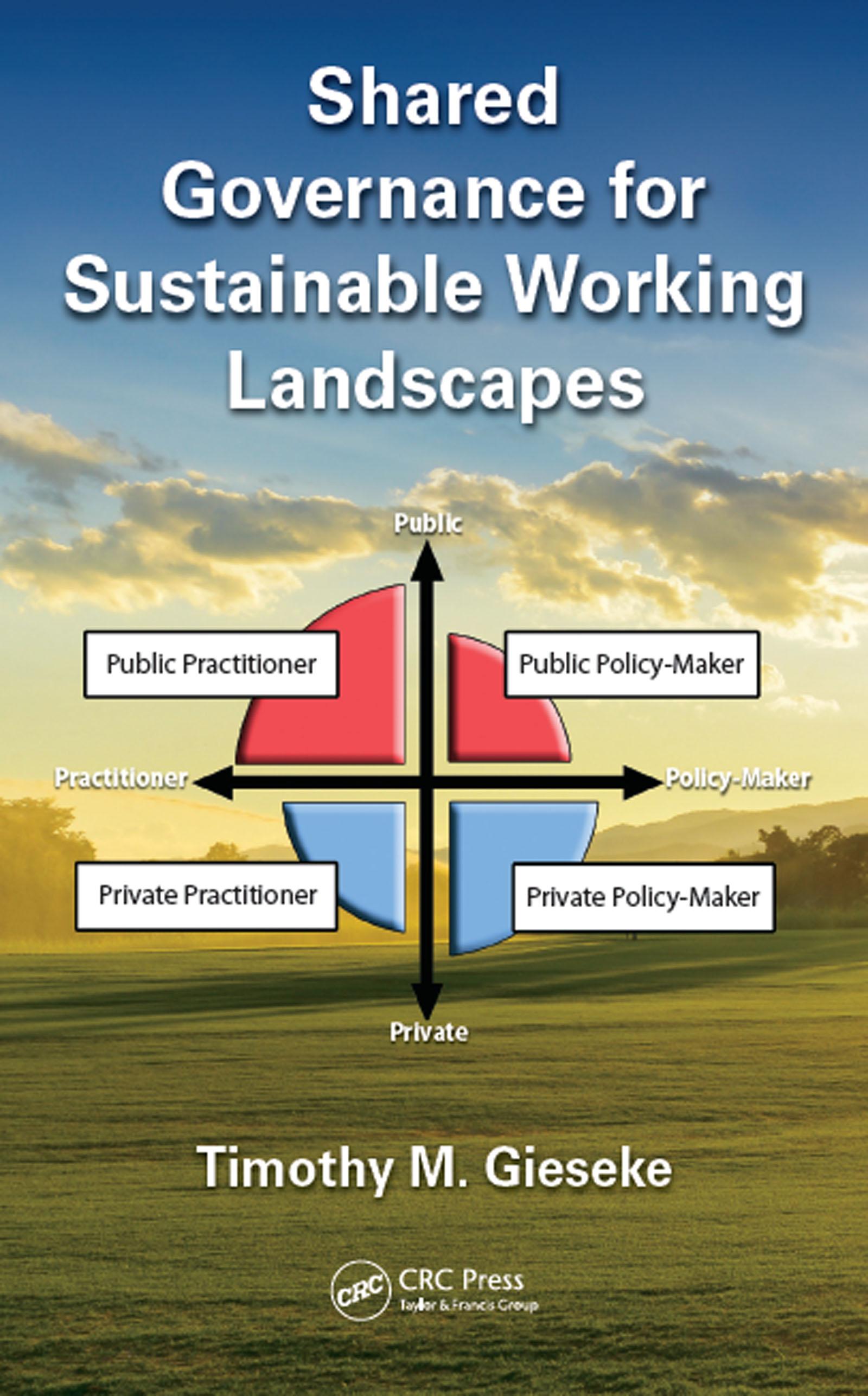
Sustaining our agricultural landscapes is no longer just a technical, scientific or even political problem, but it has evolved into a socially complex, so-called wicked problem of conflicting social governance and economics. This creates an extreme economic obstacle where the value of ecosystem services remains low and diffuse and the transactions costs remain high and multiple.Using Uber-like business platform technology and a shared governance model, a symbiotic demand for environmental benefits is created. Enabling multi-sector transactions for environmental benefits, this platform innovation would remedy the "tragedy of the commons"; the economic nemesis to achieving landscape sustainability. In a nutshell, to sustain our agricultural landscapes a transdisciplinary approach supported by a shared governance model housed within a multi-sided platform in needed. This book introduces an assessment framework identifying governance actors, styles and ratios for socio-ecological systems. The assessment uses a new governance compass to identify the types of actors completing which tasks and identifies the styles of governance used to complete the tasks. It is aimed to anyone involved in sustainability science, agricultural policy planning, or integrated landscape design.
Betaal eenvoudig met kaart, Klarna, Apple Pay of Google Pay. Niet tevreden? Je hebt altijd 14 dagen bedenktijd. Lees meer in onze voorwaarden. Heb je vragen, mail ons dan via hello@memmo.org.
Memmo maakt studeren makkelijker – waar je ook bent ter wereld. Wij brengen je cursusboeken en slimme studietools samen op één plek: samenvattingen, quizzen, podcasts en flashcards. En Ted, je studievriend die antwoord geeft op alles wat je je afvraagt. Meer dan 50.000 studenten studeren hier al – gebouwd om je sneller te laten leren en minder stress te geven.