
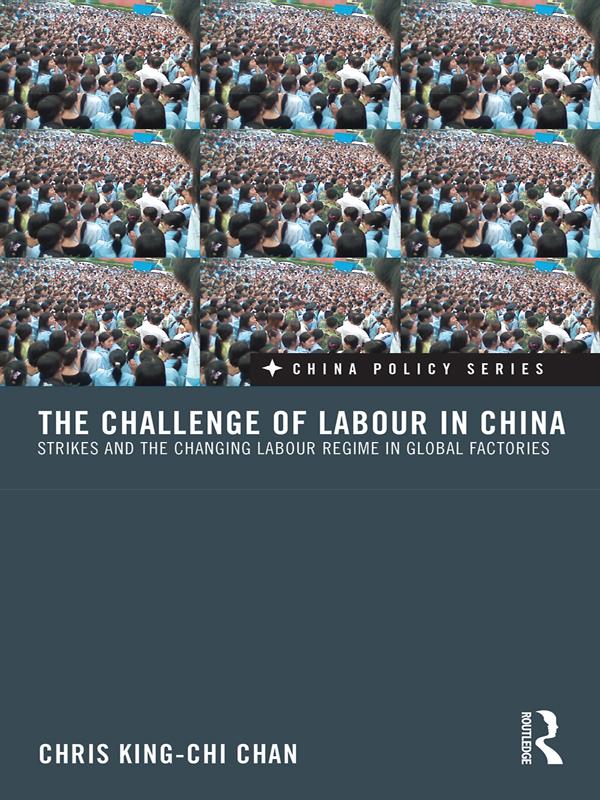
China’s economic success has been founded partly on relatively cheap labour, especially in the export industries. In recent years, however, there has been growing concern about wages and labour standards in China. This book examines how wages are bargained, fought over and determined in China, by exploring how the pattern of labour conflict has changed over time since the 1970s. It focuses in particular on the city of Shenzhen where labour conflict and workers’ protests have been especially prevalent. This book includes a detailed account of the transformation of labour relations and labour policy in China more broadly during 2004 to 2009, a period when there have been significant changes in the labour market, labour regulation and labour relations. The author argues that these recent developments have brought to the fore the class basis of workers’ protest in China and have thoroughly undermined the post-Marxist analysis of identity politics. The book makes an invaluable contribution to studies on industry and labour, as well as Chinese studies.
Betaal eenvoudig met kaart, Klarna, Apple Pay of Google Pay. Niet tevreden? Je hebt altijd 14 dagen bedenktijd. Lees meer in onze voorwaarden. Heb je vragen, mail ons dan via hello@memmo.org.
Memmo maakt studeren makkelijker – waar je ook bent ter wereld. Wij brengen je cursusboeken en slimme studietools samen op één plek: samenvattingen, quizzen, podcasts en flashcards. En Ted, je studievriend die antwoord geeft op alles wat je je afvraagt. Meer dan 50.000 studenten studeren hier al – gebouwd om je sneller te laten leren en minder stress te geven.