
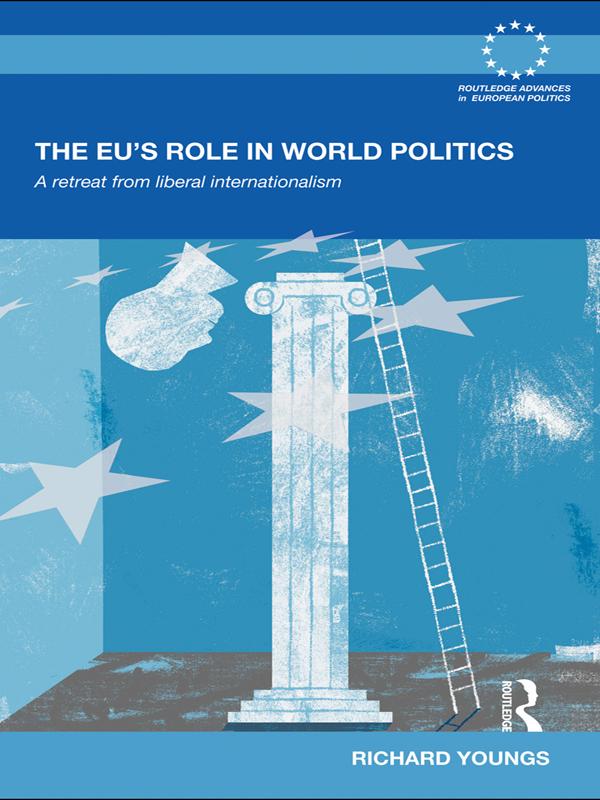
Debates on EU foreign policy have been dominated by two opposing schools of argument. One includes a broad range of work that extols the virtues of a European liberal concept of power and the other sees the EU’s commitment to cosmopolitan liberalism and soft power as a sign of weakness rather than strength.
This book judges the EU on its own terms as a liberal power, examining its policy record, rather than simply asserting that the EU’s liberal commitments in themselves denote either a superior or inferior foreign policy approach. Youngs argues that the challenges facing Europe’s role in the world appear to be in its retreat from liberal internationalism through a series of case studies on policy areas: trade, multilateral diplomacy, security, development cooperation, democracy and human rights, and energy security. Presenting detailed evidence that show the EU is moving away from cosmopolitan strategy, Youngs asserts that Europe needs to reassess its foreign policies if it is to defend the kind of liberal world order necessary for its own and other countries’ long term interests.
This book will be of strong interest to students and scholars of European politics, Foreign Policy and International Relations.
Betaal eenvoudig met kaart, Klarna, Apple Pay of Google Pay. Niet tevreden? Je hebt altijd 14 dagen bedenktijd. Lees meer in onze voorwaarden. Heb je vragen, mail ons dan via hello@memmo.org.
Memmo maakt studeren makkelijker – waar je ook bent ter wereld. Wij brengen je cursusboeken en slimme studietools samen op één plek: samenvattingen, quizzen, podcasts en flashcards. En Ted, je studievriend die antwoord geeft op alles wat je je afvraagt. Meer dan 50.000 studenten studeren hier al – gebouwd om je sneller te laten leren en minder stress te geven.