
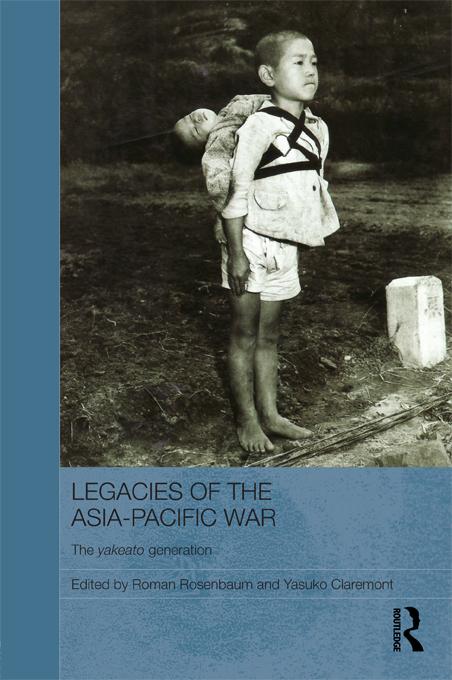
When we look in detail at the various peripheral groups of disenfranchised people emerging from the aftermath of the Asia–Pacific War the list is startling: Koreans in Japan (migrants or forced labourers), Burakumin, Hibakusha, Okinawans, Asian minorities, comfort women and many others. Many of these groups have been discussed in a large corpus of what we may call ‘disenfranchised literature’, and the research presented in this book intends to add an additional and particularly controversial example to the long list of the voice- and powerless. The presence of members of what is known as the yakeato sedai or the generation of people who experienced the fire-bombings of the Asia–Pacific War is conspicuous in all areas of contemporary Japan. From literature to the visual arts, from music to theatre, from architecture to politics, their influence and in many cases guiding principles is evident everywhere and in many cases forms the keystone of modern Japanese society and culture.
The contributors to this book explore the impact of the yakeato generation - and their literary, creative and cultural and works - on the postwar period by drawing out the importance of the legacy of those people who truly survived the darkest hour of the twentieth century and re-evaluate the ramifications of their experiences in contemporary Japanese society and culture. As such this book will be of huge interest to those studying Japanese history, literature, poetry and cultural studies.
Betaal eenvoudig met kaart, Klarna, Apple Pay of Google Pay. Niet tevreden? Je hebt altijd 14 dagen bedenktijd. Lees meer in onze voorwaarden. Heb je vragen, mail ons dan via hello@memmo.org.
Memmo maakt studeren makkelijker – waar je ook bent ter wereld. Wij brengen je cursusboeken en slimme studietools samen op één plek: samenvattingen, quizzen, podcasts en flashcards. En Ted, je studievriend die antwoord geeft op alles wat je je afvraagt. Meer dan 50.000 studenten studeren hier al – gebouwd om je sneller te laten leren en minder stress te geven.