
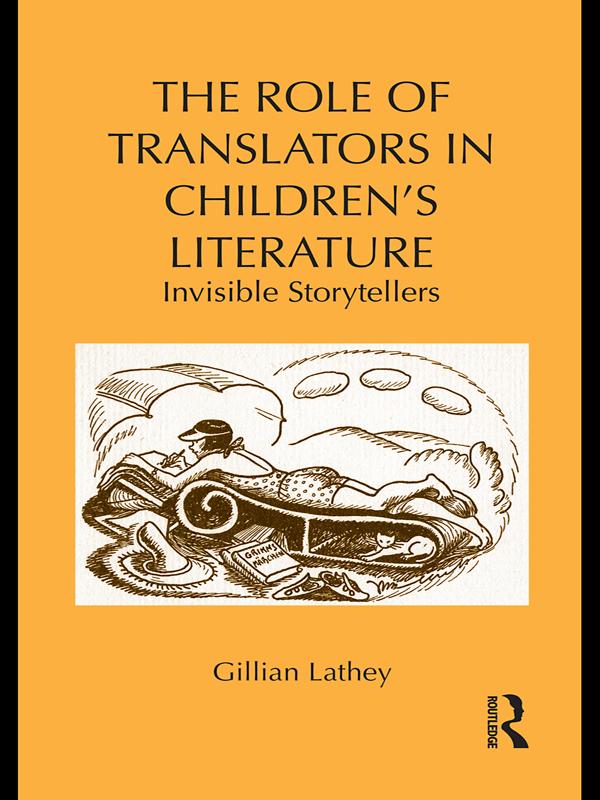
This book offers a historical analysis of key classical translated works for children, such as writings by Hans Christian Andersen and Grimms’ tales. Translations dominate the earliest history of texts written for children in English, and stories translated from other languages have continued to shape its course to the present day. Lathey traces the role of the translator and the impact of translations on the history of English-language children’s literature from the ninth century onwards. Discussions of popular texts in each era reveal fluctuations in the reception of translated children’s texts, as well as instances of cultural mediation by translators and editors. Abridgement, adaptation, and alteration by translators have often been viewed in a negative light, yet a closer examination of historical translators’ prefaces reveals a far more varied picture than that of faceless conduits or wilful censors. From William Caxton’s dedication of his translated History of Jason to young Prince Edward in 1477 (‘to thentent/he may begynne to lerne read Englissh’), to Edgar Taylor’s justification of the first translation into English of Grimms’ tales as a means of promoting children’s imaginations in an age of reason, translators have recorded in prefaces and other writings their didactic, religious, aesthetic, financial, and even political purposes for translating children’s texts.
Betaal eenvoudig met kaart, Klarna, Apple Pay of Google Pay. Niet tevreden? Je hebt altijd 14 dagen bedenktijd. Lees meer in onze voorwaarden. Heb je vragen, mail ons dan via hello@memmo.org.
Memmo maakt studeren makkelijker – waar je ook bent ter wereld. Wij brengen je cursusboeken en slimme studietools samen op één plek: samenvattingen, quizzen, podcasts en flashcards. En Ted, je studievriend die antwoord geeft op alles wat je je afvraagt. Meer dan 50.000 studenten studeren hier al – gebouwd om je sneller te laten leren en minder stress te geven.