
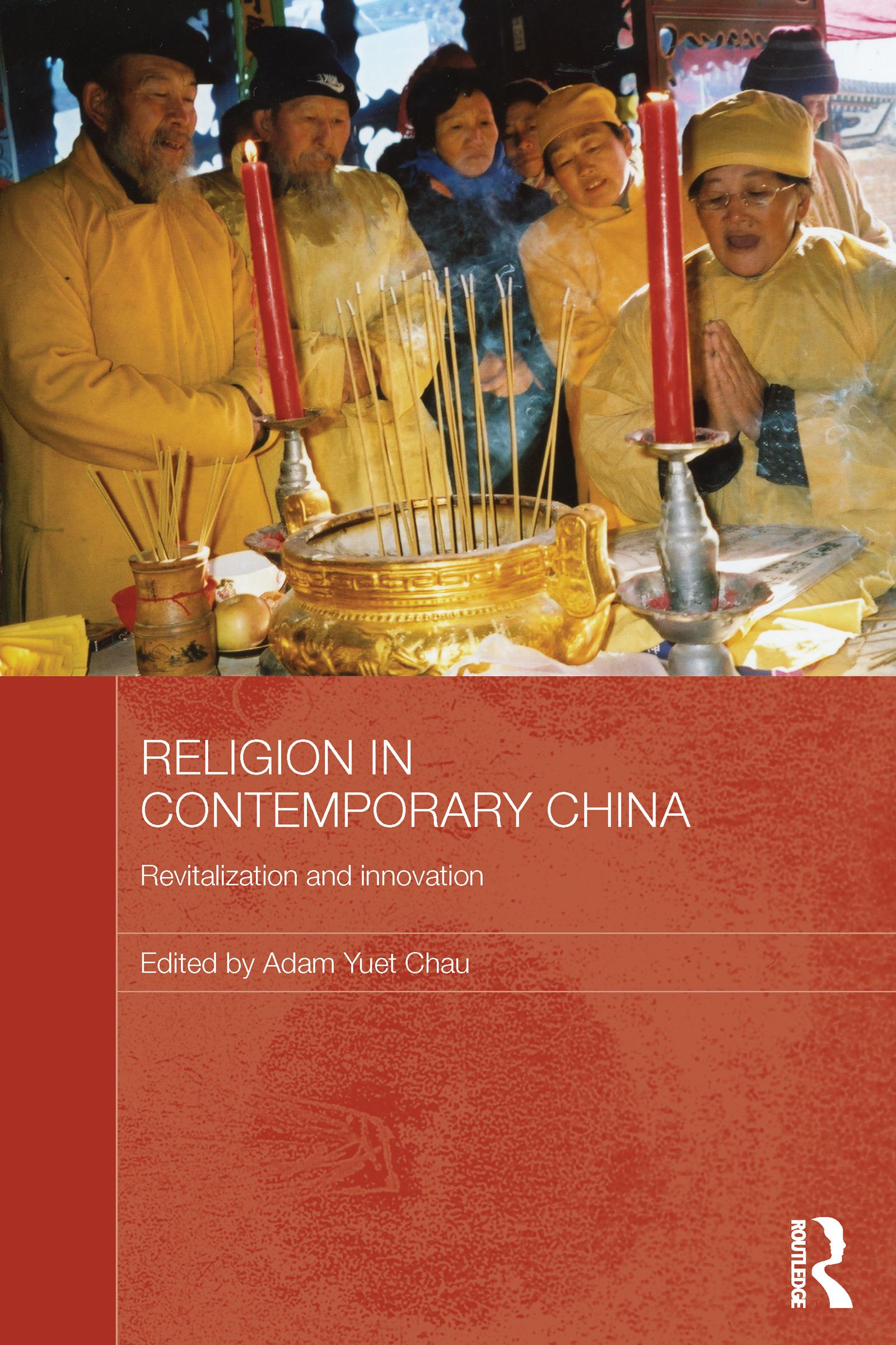
Before the modernist transformations of the twentieth century, China had one of the richest and most diverse religious cultures in the world. The radical anti-traditionalist policies of both the Republican and Communist regimes as well as other socio-historical factors posed formidable challenges to China’s religious traditions but, this book argues, these conditions also presented new opportunities for re-generation and innovation.
It shows that economic reforms and the concurrent relaxation of religious policies have provided fertile ground for the revitalization of a wide array of religious practices, including divination, ancestor worship, temple festivals, spirit mediumism, churchgoing, funeral rites, exorcism, pilgrimages, sectarianism, sutra chanting, and the printing and distribution of morality books. Equally new forms of religious practices have emerged such as lay Buddhist preachers, "Maoist shamans", and a range of qigong sects/schools.
Written by an international, interdisciplinary team of experts who have all conducted in-depth fieldwork research in China, this book provides a wide-ranging survey of contemporary religious practices in China. It examines the different processes and mechanisms of religious revivals and innovations, and, more broadly, relates the Chinese example of religious revitalization to larger issues of social and cultural continuity and change.
Betaal eenvoudig met kaart, Klarna, Apple Pay of Google Pay. Niet tevreden? Je hebt altijd 14 dagen bedenktijd. Lees meer in onze voorwaarden. Heb je vragen, mail ons dan via hello@memmo.org.
Memmo maakt studeren makkelijker – waar je ook bent ter wereld. Wij brengen je cursusboeken en slimme studietools samen op één plek: samenvattingen, quizzen, podcasts en flashcards. En Ted, je studievriend die antwoord geeft op alles wat je je afvraagt. Meer dan 50.000 studenten studeren hier al – gebouwd om je sneller te laten leren en minder stress te geven.