
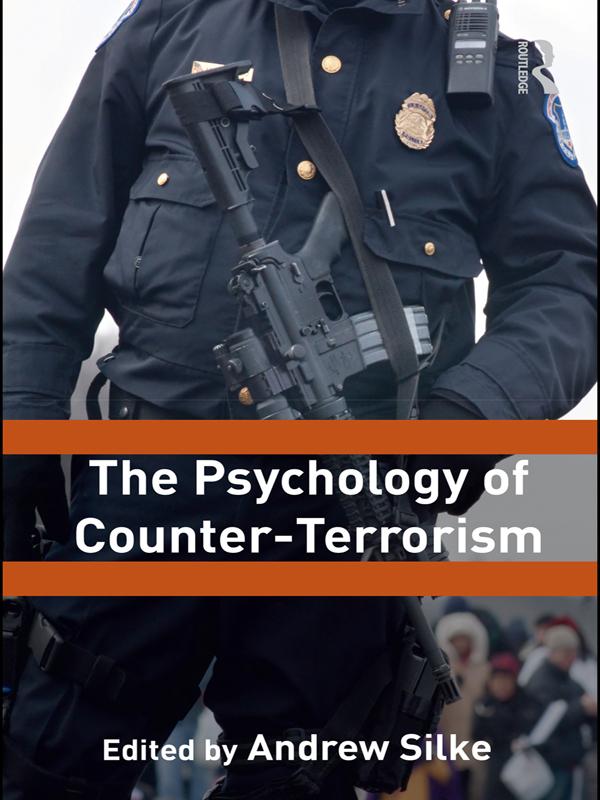
This edited book explores how psychology can be used to improve our understanding of terrorism and counterterrorism.
This work firstly aims to provide balanced and objective insight into the psychology of terrorists; what their motivations are, what keeps them involved in terrorist groups, and what eventually forces most to end their active involvement in terrorism. Secondly, the contributors focus on the challenging issue of how to respond to terrorism. These chapters provide information for those concerned with short-term tactical problems (e.g. interviewing), as well as those looking towards the more long-term strategic questions of bringing an entire terrorist campaign to an end. Ultimately, the individuals involved in terrorism require a more complex response from society than simply a quest for their apprehension. Believing inaccurate and misleading characterizations leads inevitably to damaging policies and deficient outcomes and campaigns of violence are needlessly prolonged. It is from this perspective that the concern arises with how researchers – and the policy makers guided by them – perceive the psychology of terrorists and of terrorism.
This innovative book will be of great interest to students of terrorism and counter-terrorism, security studies, psychology and politics, as well as security professionals and military colleges.
Betaal eenvoudig met kaart, Klarna, Apple Pay of Google Pay. Niet tevreden? Je hebt altijd 14 dagen bedenktijd. Lees meer in onze voorwaarden. Heb je vragen, mail ons dan via hello@memmo.org.
Memmo maakt studeren makkelijker – waar je ook bent ter wereld. Wij brengen je cursusboeken en slimme studietools samen op één plek: samenvattingen, quizzen, podcasts en flashcards. En Ted, je studievriend die antwoord geeft op alles wat je je afvraagt. Meer dan 50.000 studenten studeren hier al – gebouwd om je sneller te laten leren en minder stress te geven.