
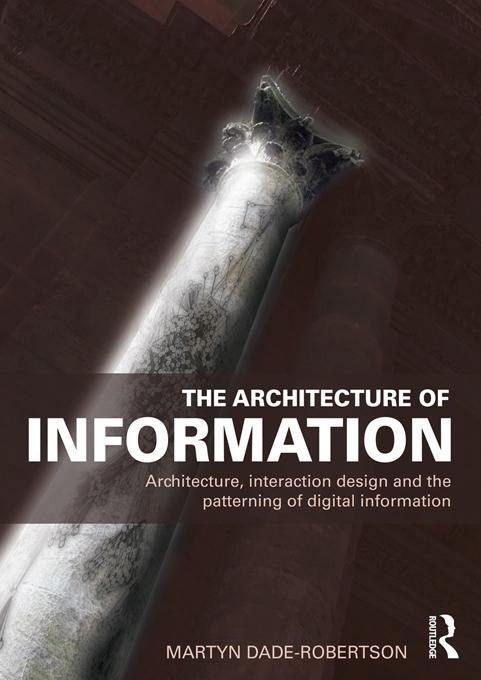
This book looks at relationships between the organization of physical objects in space and the organization of ideas. Historical, philosophical, psychological and architectural knowledge are united to develop an understanding of the relationship between information and its representation.
Despite its potential to break the mould, digital information has relied on metaphors from a pre-digital era. In particular, architectural ideas have pervaded discussions of digital information, from the urbanization of cyberspace in science fiction, through to the adoption of spatial visualizations in the design of graphical user interfaces.
This book tackles:
- the historical importance of physical places to the organization and expression of knowledge
- the limitations of using the physical organization of objects as the basis for systems of categorization and taxonomy
- the emergence of digital technologies and the twentieth century new conceptual understandings of knowledge and its organization
- the concept of disconnecting storage of information objects from their presentation and retrieval
- ideas surrounding ‘semantic space’
- the realities of the types of user interface which now dominate modern computing.
Betaal eenvoudig met kaart, Klarna, Apple Pay of Google Pay. Niet tevreden? Je hebt altijd 14 dagen bedenktijd. Lees meer in onze voorwaarden. Heb je vragen, mail ons dan via hello@memmo.org.
Memmo maakt studeren makkelijker – waar je ook bent ter wereld. Wij brengen je cursusboeken en slimme studietools samen op één plek: samenvattingen, quizzen, podcasts en flashcards. En Ted, je studievriend die antwoord geeft op alles wat je je afvraagt. Meer dan 50.000 studenten studeren hier al – gebouwd om je sneller te laten leren en minder stress te geven.