
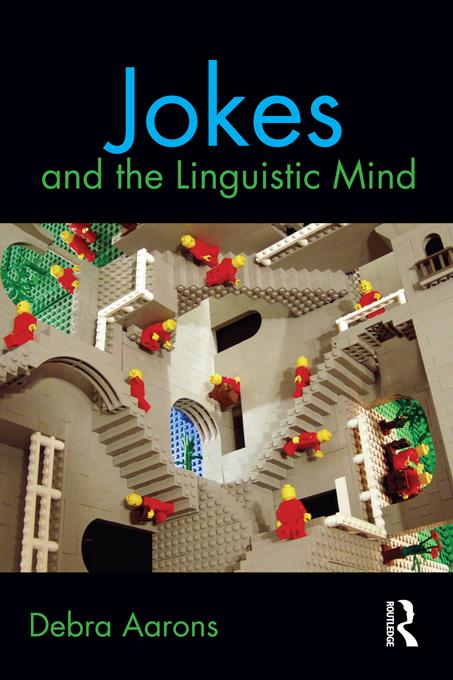
Through the lens of cognitive science, Jokes and the Linguistic Mind investigates jokes that play on some aspect of the structure and function of language. In so doing, Debra Aarons shows that these 'linguistic jokes' can evoke our tacit knowledge of the language we use. Analyzing hilarious examples from movies, plays and books, Jokes and the Linguistic Mind demonstrates that tacit linguistic knowledge must become conscious for linguistic jokes to be understood. The book examines jokes that exploit pragmatic, semantic, morphological, phonological and semantic features of language, as well as jokes that use more than one language and jokes that are about language itself. Additionally, the text explores the relationship between cryptic crossword clues and linguistic jokes in order to demonstrate the difference between tacit knowledge of language and rules of language use that are articulated for a particular purpose. With its use of jokes as data and its highly accessible explanations of complex linguistic concepts, this book is an engaging supplementary text for introductory courses in linguistics, psycholinguistics and cognitive science. It will also be of interest to scholars in translation studies, applied linguistics and philosophy of language.
Betaal eenvoudig met kaart, Klarna, Apple Pay of Google Pay. Niet tevreden? Je hebt altijd 14 dagen bedenktijd. Lees meer in onze voorwaarden. Heb je vragen, mail ons dan via hello@memmo.org.
Memmo maakt studeren makkelijker – waar je ook bent ter wereld. Wij brengen je cursusboeken en slimme studietools samen op één plek: samenvattingen, quizzen, podcasts en flashcards. En Ted, je studievriend die antwoord geeft op alles wat je je afvraagt. Meer dan 50.000 studenten studeren hier al – gebouwd om je sneller te laten leren en minder stress te geven.