
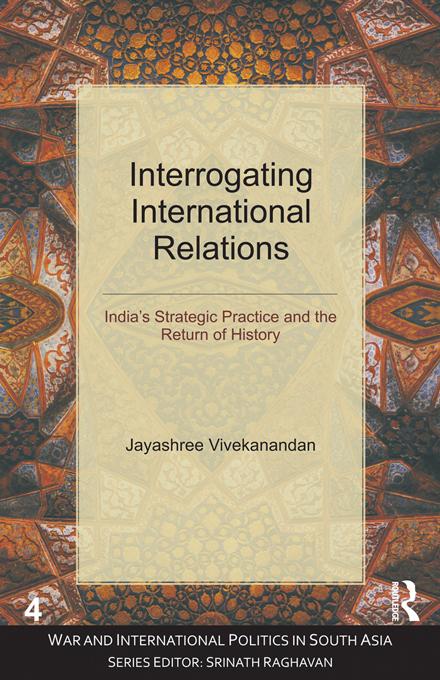
The book interrogates the disciplinary biases and firewalls that inform mainstream international relations today, and problematises the several tropes that have come to typify the strategic histories of post-colonial societies such as India. Questioning a range of long-held cultural representations on India, the book challenges such portrayals and underscores the centrality of context and contingency in any cultural explanation of state behaviour. It argues for a historico-cultural understanding of power and critiques IR’s tendency to usher in a selective ‘return of history’.
Taking two contrasting case studies from medieval Indian history, the book assesses the success and failure of the grand strategy pursued by the Mughal empire under Akbar. The study emphasises his grand strategy of accommodation, defined by the interplay of critical variables such as distance and the vast military labour market. The book also looks at his conscious attempt to indigenise power by projecting himself as the personification of the ideal Hindu king. This case study helps to contextualise the many critical transitions that occurred in international relations: from medieval empires to the modern state system, and from an indigenised, experiential understanding of power to its absolute, abstract manifestations in the colonial state.
Betaal eenvoudig met kaart, Klarna, Apple Pay of Google Pay. Niet tevreden? Je hebt altijd 14 dagen bedenktijd. Lees meer in onze voorwaarden. Heb je vragen, mail ons dan via hello@memmo.org.
Memmo maakt studeren makkelijker – waar je ook bent ter wereld. Wij brengen je cursusboeken en slimme studietools samen op één plek: samenvattingen, quizzen, podcasts en flashcards. En Ted, je studievriend die antwoord geeft op alles wat je je afvraagt. Meer dan 50.000 studenten studeren hier al – gebouwd om je sneller te laten leren en minder stress te geven.