
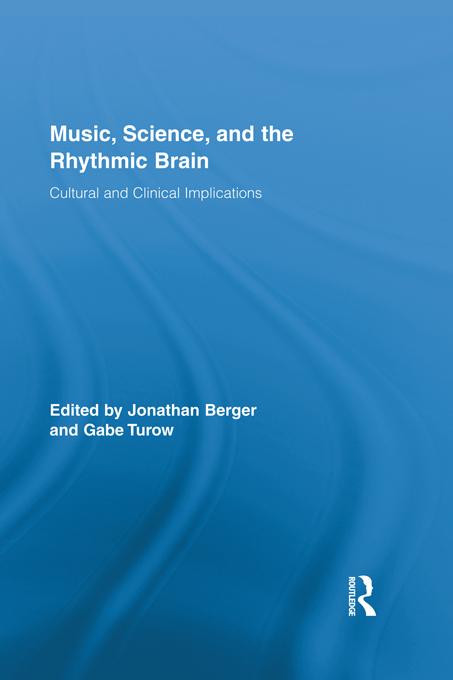
This book studies the effects of repetitive musical rhythm on the brain and nervous system, and in doing so integrates diverse fields including ethnomusicology, psychology, neuroscience, anthropology, religious studies, music therapy, and human health. It presents aspects of musical rhythm and biological rhythms, and in particular rhythmic entrainment, in a way that considers cultural context alongside theoretical research and discussions of potential clinical and therapeutic implications. Considering the effects of drumming and other rhythmic music on mental and bodily functioning, the volume hypothesizes that rhythmic music can have a dramatic impact on mental states, sometimes catalyzing profound changes in arousal, mood, and emotional states via the stimulation of changes in physiological functions like the electrical activity in the brain. The experiments presented here make use of electroencephalography (EEG), galvanic skin response (GSR), and subjective measures to gain insight into how these mental states are evoked, what their relationship is to the music and context of the experience, and demonstrate that they are happening in a consistent and reproducible fashion, suggesting clinical applications. This comprehensive volume will appeal to scholars in cognition, ethnomusicology, and music perception who are interested in the therapeutic potential of music.
Betaal eenvoudig met kaart, Klarna, Apple Pay of Google Pay. Niet tevreden? Je hebt altijd 14 dagen bedenktijd. Lees meer in onze voorwaarden. Heb je vragen, mail ons dan via hello@memmo.org.
Memmo maakt studeren makkelijker – waar je ook bent ter wereld. Wij brengen je cursusboeken en slimme studietools samen op één plek: samenvattingen, quizzen, podcasts en flashcards. En Ted, je studievriend die antwoord geeft op alles wat je je afvraagt. Meer dan 50.000 studenten studeren hier al – gebouwd om je sneller te laten leren en minder stress te geven.