
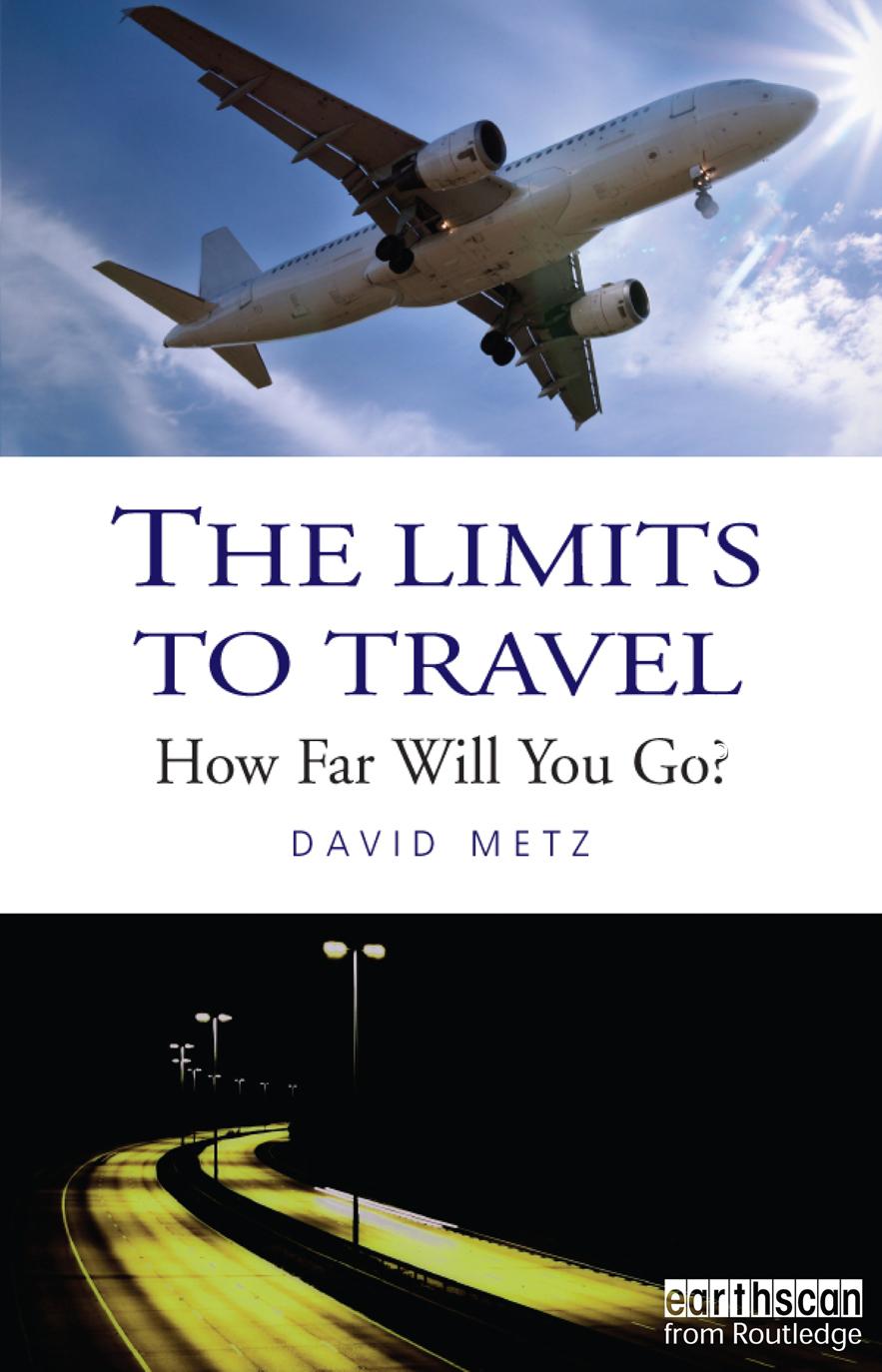
As affluence grows, it gets easier to travel faster and further. But research shows that, despite this, the average travel time in all societies remains steady at roughly an hour a day. The implication is that people are choosing to increase the distance they regularly travel, rather than opting for shorter journey times. While this clearly offers advantages in terms of reaching more desirable locations, the disadvantages are numerous - not least that of anthropogenic climate change, to which transport is the fastest growing contributor. However, the stability of travel time does not form part of the present conceptual framework of transport policy makers and professionals - consequently, misconceived decisions lead to unintended outcomes.
In this intriguing book, David Metz examines the inadequacies inherent in the current thinking, along with the resulting problems, such as pollution, congestion and noise. He highlights the impact of the rapid increase in car use in China and India, and explores the general travel experience, public vs. private transport, and transport technology. In considering to what extent travel could be avoided, he arrives at a new paradigm to underpin sustainable transport policies, based on the fundamental characteristics of human mobility and focusing on quality, not quantity, of travel.
Visit the Limits to Travel website at: http://www.limitstotravel.org.uk/
Betaal eenvoudig met kaart, Klarna, Apple Pay of Google Pay. Niet tevreden? Je hebt altijd 14 dagen bedenktijd. Lees meer in onze voorwaarden. Heb je vragen, mail ons dan via hello@memmo.org.
Memmo maakt studeren makkelijker – waar je ook bent ter wereld. Wij brengen je cursusboeken en slimme studietools samen op één plek: samenvattingen, quizzen, podcasts en flashcards. En Ted, je studievriend die antwoord geeft op alles wat je je afvraagt. Meer dan 50.000 studenten studeren hier al – gebouwd om je sneller te laten leren en minder stress te geven.