
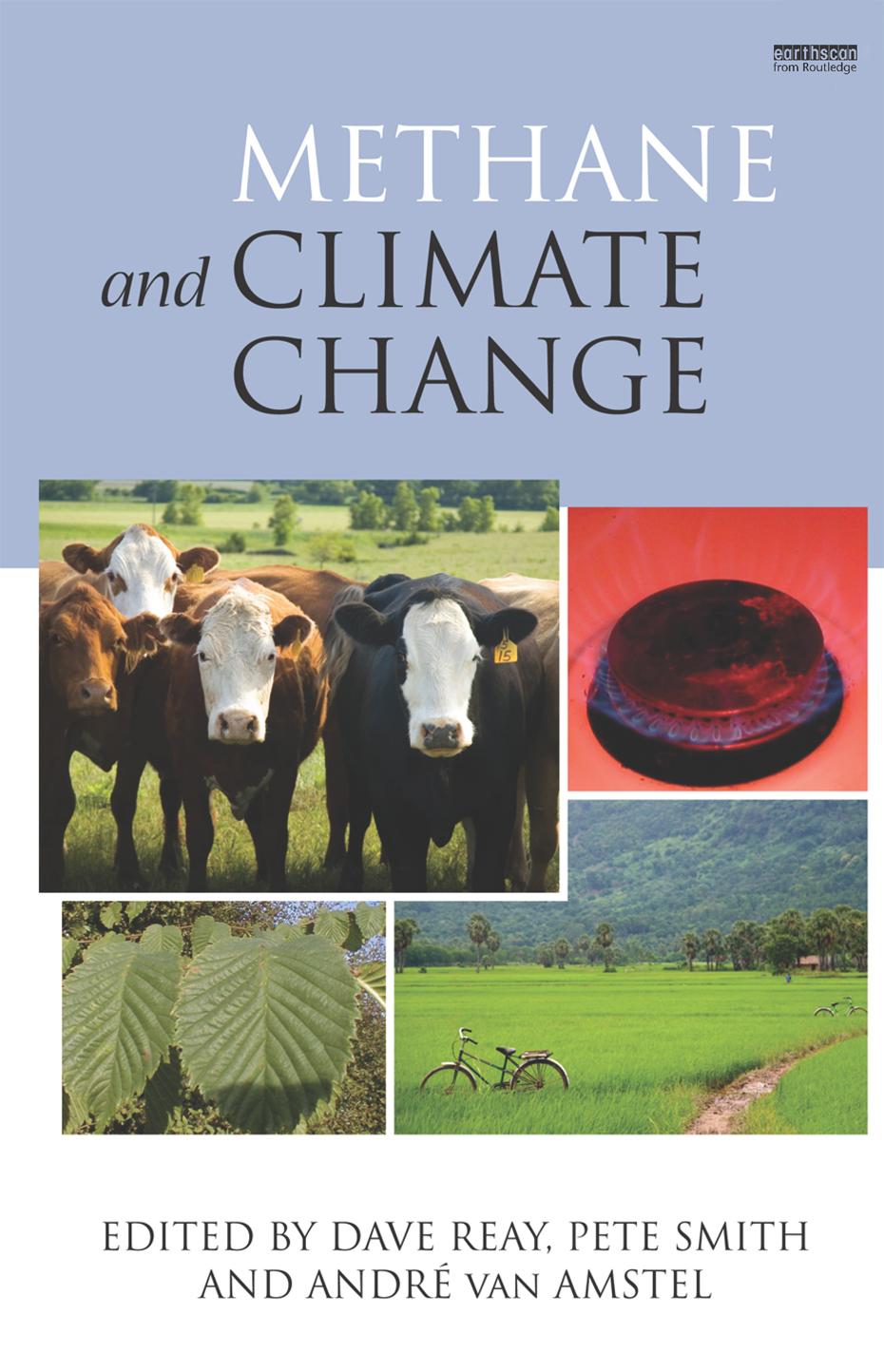
Methane is a powerful greenhouse gas and is estimated to be responsible for approximately one-fifth of man-made global warming. Per kilogram, it is 25 times more powerful than carbon dioxide over a 100-year time horizon -- and global warming is likely to enhance methane release from a number of sources. Current natural and man-made sources include many where methane-producing micro-organisms can thrive in anaerobic conditions, particularly ruminant livestock, rice cultivation, landfill, wastewater, wetlands and marine sediments.
This timely and authoritative book provides the only comprehensive and balanced overview of our current knowledge of sources of methane and how these might be controlled to limit future climate change. It describes how methane is derived from the anaerobic metabolism of micro-organisms, whether in wetlands or rice fields, manure, landfill or wastewater, or the digestive systems of cattle and other ruminant animals. It highlights how sources of methane might themselves be affected by climate change. It is shown how numerous point sources of methane have the potential to be more easily addressed than sources of carbon dioxide and therefore contribute significantly to climate change mitigation in the 21st century.
Betaal eenvoudig met kaart, Klarna, Apple Pay of Google Pay. Niet tevreden? Je hebt altijd 14 dagen bedenktijd. Lees meer in onze voorwaarden. Heb je vragen, mail ons dan via hello@memmo.org.
Memmo maakt studeren makkelijker – waar je ook bent ter wereld. Wij brengen je cursusboeken en slimme studietools samen op één plek: samenvattingen, quizzen, podcasts en flashcards. En Ted, je studievriend die antwoord geeft op alles wat je je afvraagt. Meer dan 50.000 studenten studeren hier al – gebouwd om je sneller te laten leren en minder stress te geven.