
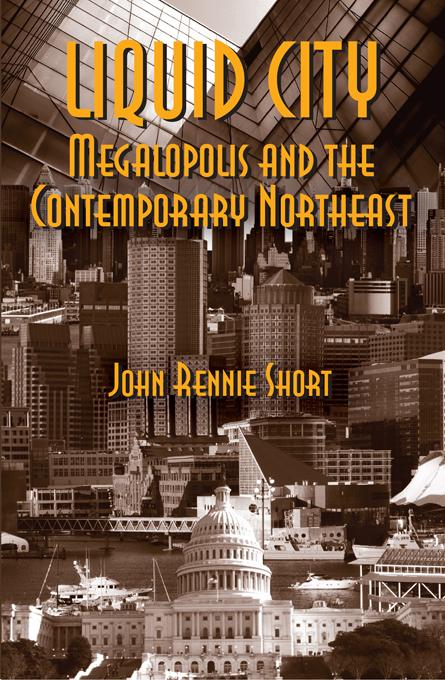
Megalopolis was the name given to a Peloponnesian city that was founded around 371- 368 BCE. Though planned on a grand scale, the city failed to realize the dreams of the founders, and it declined by the late Roman period. In 1957, the renowned geographer Jean Gottman applied the term in his description of the densely populated area of the northeastern United States that includes the cities of Boston, New York, Philadelphia, Baltimore, and Washington.
Liquid City is the first book to examine the social, economic, and demographic changes that have taken place in Megalopolis over the past fifty years. Nearly one in six Americans live in the modern Megalopolis, making it one of the largest city regions in the world. John Rennie Short juxtaposes Gottman's work with his own examination, providing a comprehensive assessment of the region's evolution.
Particularly important are his use of 2000 Census data and his discussions of sources of identity, unity, and fragmentation in Megalopolis. Emphasizing the fluid, variable character of Megalopolis, this clear and accessible book focuses on five aspects of change: population redistribution from cities to suburbs; economic restructuring; immigration; patterns of racial/ethnic segregation; and the processes of globalization that have made one of the world's most influential economies.
Betaal eenvoudig met kaart, Klarna, Apple Pay of Google Pay. Niet tevreden? Je hebt altijd 14 dagen bedenktijd. Lees meer in onze voorwaarden. Heb je vragen, mail ons dan via hello@memmo.org.
Memmo maakt studeren makkelijker – waar je ook bent ter wereld. Wij brengen je cursusboeken en slimme studietools samen op één plek: samenvattingen, quizzen, podcasts en flashcards. En Ted, je studievriend die antwoord geeft op alles wat je je afvraagt. Meer dan 50.000 studenten studeren hier al – gebouwd om je sneller te laten leren en minder stress te geven.