
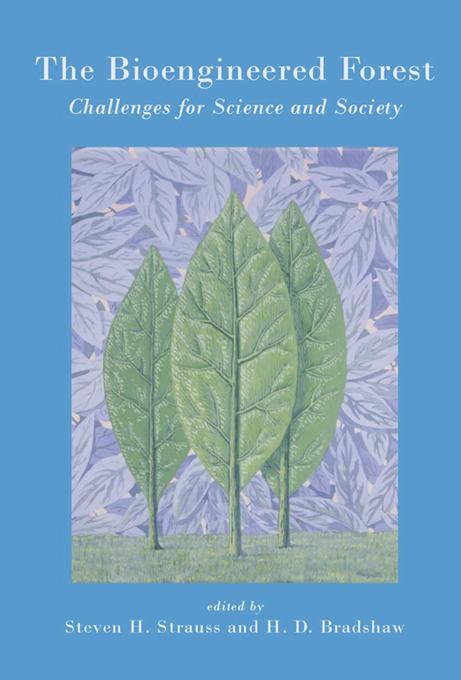
Bioengineering offers many opportunities for forestry. Bioengineered trees can produce more valuable wood, help reclaim contaminated land, improve the health of urban trees, and facilitate pest management. But the ecological risks are complex, and public views about the ethical acceptability of genetic engineering vary widely. Unique in its breadth and diversity, The Bioengineered Forest begins with a survey of the range of forestry practices for which the use of biotechnologies might be appropriate. Scholars representing diverse academic perspectives and viewpoints examine in depth the economic and environmental rationale for forest biotechnologies and the current state of technology with respect to gene performance and safety. They consider the contemporary political and economic environment in which bioengineering is being introduced and where the 'genomic revolution' might take forestry and genetic engineering in the future. The Bioengineered Forest presents compelling arguments in favor of genetic engineering. Just as powerfully, it examines the significant technical and legal hurdles involved in genetic engineering, the undesirable environmental and social consequences that might result from its misapplication, and the risks for businesses that are looking too exclusively for near-term benefits.
Betaal eenvoudig met kaart, Klarna, Apple Pay of Google Pay. Niet tevreden? Je hebt altijd 14 dagen bedenktijd. Lees meer in onze voorwaarden. Heb je vragen, mail ons dan via hello@memmo.org.
Memmo maakt studeren makkelijker – waar je ook bent ter wereld. Wij brengen je cursusboeken en slimme studietools samen op één plek: samenvattingen, quizzen, podcasts en flashcards. En Ted, je studievriend die antwoord geeft op alles wat je je afvraagt. Meer dan 50.000 studenten studeren hier al – gebouwd om je sneller te laten leren en minder stress te geven.
Misschien vind je dit ook leuk
Koop het boek0