
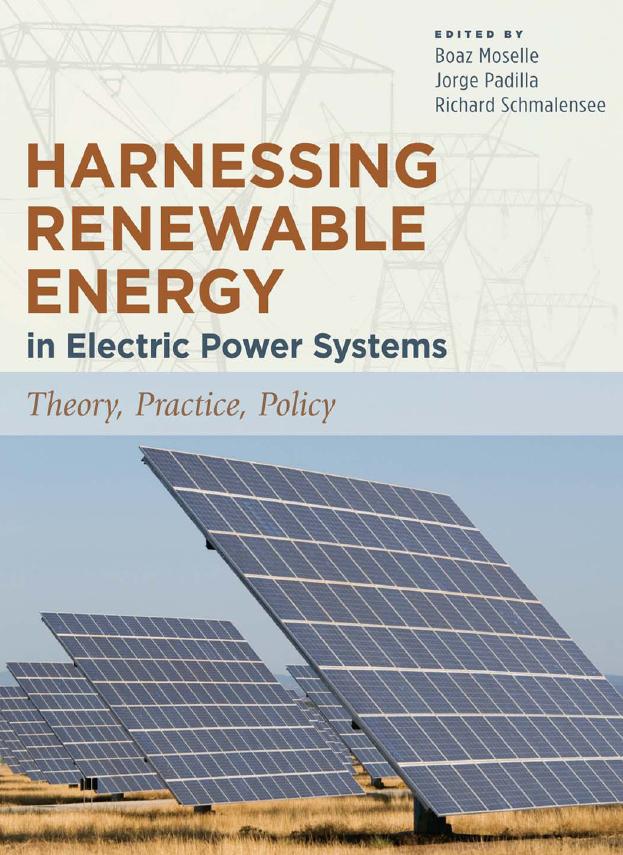
Reflecting its reliance on fossil fuels, the electric power industry produces the majority of the world's greenhouse gas emissions. The need for a revolution in the industry becomes further apparent given that 'decarbonization' means an increasing electrification of other sectors of the economy in particular, through a switch from gasoline to electric vehicles. Of the options for producing electric power without significant greenhouse gas emissions, renewable energy is most attractive to policymakers, as it promises increased national self-reliance on energy supplies and the creation of new industries and jobs, without the safety and political concerns of nuclear power or the unproven technology of carbon capture and storage.
Drawing on both economic theory and the experiences of the United States and EU member states, Harnessing Renewable Energy addresses the key questions surrounding renewable energy policies. How appropriate is the focus on renewable power as a primary tool for reducing greenhouse gas emissions? If renewable energy is given specific support, what form should that support take? What are the implications for power markets if renewable generation is widely adopted? Thorough and well-evidenced, this book will be of interest to a broad range of policymakers, the electric power industry, and economists who study energy and environmental issues.
Betaal eenvoudig met kaart, Klarna, Apple Pay of Google Pay. Niet tevreden? Je hebt altijd 14 dagen bedenktijd. Lees meer in onze voorwaarden. Heb je vragen, mail ons dan via hello@memmo.org.
Memmo maakt studeren makkelijker – waar je ook bent ter wereld. Wij brengen je cursusboeken en slimme studietools samen op één plek: samenvattingen, quizzen, podcasts en flashcards. En Ted, je studievriend die antwoord geeft op alles wat je je afvraagt. Meer dan 50.000 studenten studeren hier al – gebouwd om je sneller te laten leren en minder stress te geven.