
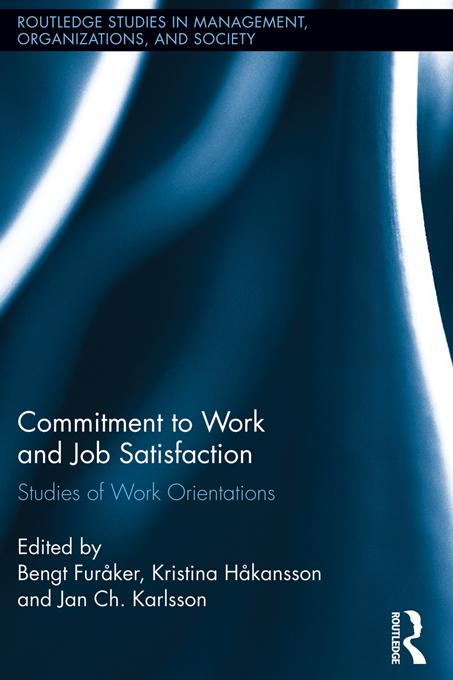
People’s work orientations and attitudes to paid work are highly important for the welfare of any country. Still, little is currently known about how such attitudes are distributed among different countries, men and women, classes, occupations, age groups and so on. Even less is known about how work orientations have changed during the dramatic social transformations of economies and labour markets during recent decades. What happened, for example, to work orientations in Iceland when the country went bankrupt? The answer is quite surprising. Or, is it true that work is losing its position in people’s lives in Western world? What is the relationship between people’s attitudes to work and the way they actually behave on the labour market?
This timely book deals with these questions – and more – presenting fresh knowledge on changes in work orientations in many countries. It is based on genuine theoretical arguments and thorough empirical studies, using both qualitative and quantitative methods. It is a great source of new knowledge on work orientations and changes in attitudes to work.
Betaal eenvoudig met kaart, Klarna, Apple Pay of Google Pay. Niet tevreden? Je hebt altijd 14 dagen bedenktijd. Lees meer in onze voorwaarden. Heb je vragen, mail ons dan via hello@memmo.org.
Memmo maakt studeren makkelijker – waar je ook bent ter wereld. Wij brengen je cursusboeken en slimme studietools samen op één plek: samenvattingen, quizzen, podcasts en flashcards. En Ted, je studievriend die antwoord geeft op alles wat je je afvraagt. Meer dan 50.000 studenten studeren hier al – gebouwd om je sneller te laten leren en minder stress te geven.