
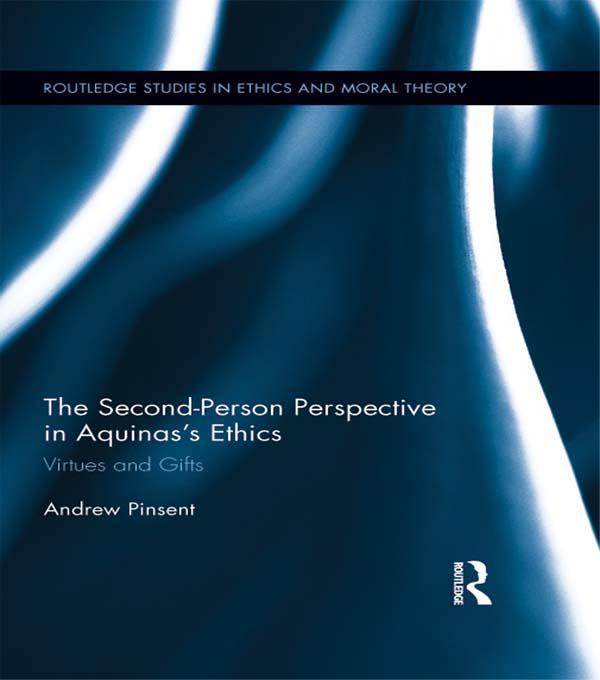
Thomas Aquinas devoted a substantial proportion of his greatest works to the virtues. Yet, despite the availability of these texts (and centuries of commentary), Aquinas’s virtue ethics remains mysterious, leaving readers with many unanswered questions.
In this book, Pinsent argues that the key to understanding Aquinas’s approach is to be found in an association between: a) attributes he appends to the virtues, and b) interpersonal capacities investigated by the science of social cognition, especially in the context of autistic spectrum disorder. The book uses this research to argue that Aquinas’s approach to the virtues is radically non-Aristotelian and founded on the concept of second-person relatedness.
To demonstrate the explanatory power of this principle, Pinsent shows how the second-person perspective gives interpretation to Aquinas’s descriptions of the virtues and offers a key to long-standing problems, such as the reconciliation of magnanimity and humility. The principle of second-person relatedness also interprets acts that Aquinas describes as the fruition of the virtues. Pinsent concludes by considering how this approach may shape future developments in virtue ethics.
Betaal eenvoudig met kaart, Klarna, Apple Pay of Google Pay. Niet tevreden? Je hebt altijd 14 dagen bedenktijd. Lees meer in onze voorwaarden. Heb je vragen, mail ons dan via hello@memmo.org.
Memmo maakt studeren makkelijker – waar je ook bent ter wereld. Wij brengen je cursusboeken en slimme studietools samen op één plek: samenvattingen, quizzen, podcasts en flashcards. En Ted, je studievriend die antwoord geeft op alles wat je je afvraagt. Meer dan 50.000 studenten studeren hier al – gebouwd om je sneller te laten leren en minder stress te geven.