
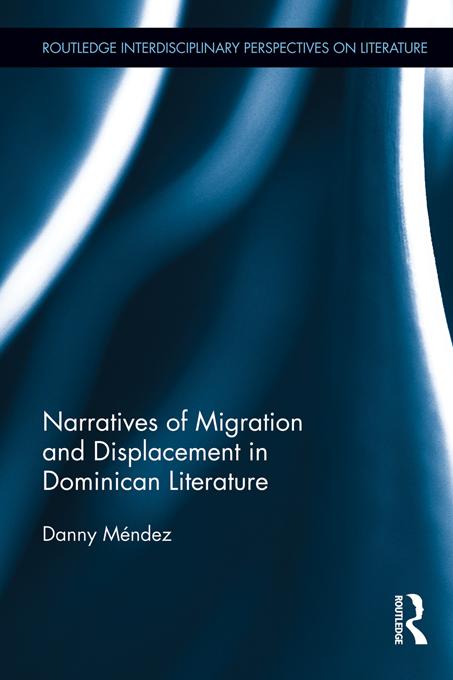
Establishing an interdisciplinary connection between Migration Studies, Post-Colonial Studies and Affect Theory, Méndez analyzes the symbolic interplay between emotions, cognitions, and displacement in the narratives written by and about Dominican and Dominican-Americans in the United States and Puerto Rico. He argues that given the historic place of creolization as a marker of national, cultural, and social development in the Caribbean and particularly the Dominican Republic, this cultural process is not magically annulled in Caribbean immigrations to the U.S. Instead, this book illustrates the numerous ways in which Dominicans’ subjective interpretation of their experiences of migration and incorporation into U.S. society, seen through the filter of multiple creolizations of the past, are woven into their written works as a series of variations on Americanness and Dominicanness. Through close readings of selected writings by Pedro Henríquez Ureña, José Luis González, Junot Díaz, Josefina Báez, Loida Maritza Pérez among others, Méndez argues that emotional creolizations operate as a psychological parameter on immigrant populations as they negotiate their transcultural status against the ideological norms of assimilation in their new host country. Consequently, he proposes that this emotional creolization is dialectical — that is, it not only affects diasporic populations, but also changes the norms and terms of assimilation as well.
Betaal eenvoudig met kaart, Klarna, Apple Pay of Google Pay. Niet tevreden? Je hebt altijd 14 dagen bedenktijd. Lees meer in onze voorwaarden. Heb je vragen, mail ons dan via hello@memmo.org.
Memmo maakt studeren makkelijker – waar je ook bent ter wereld. Wij brengen je cursusboeken en slimme studietools samen op één plek: samenvattingen, quizzen, podcasts en flashcards. En Ted, je studievriend die antwoord geeft op alles wat je je afvraagt. Meer dan 50.000 studenten studeren hier al – gebouwd om je sneller te laten leren en minder stress te geven.