
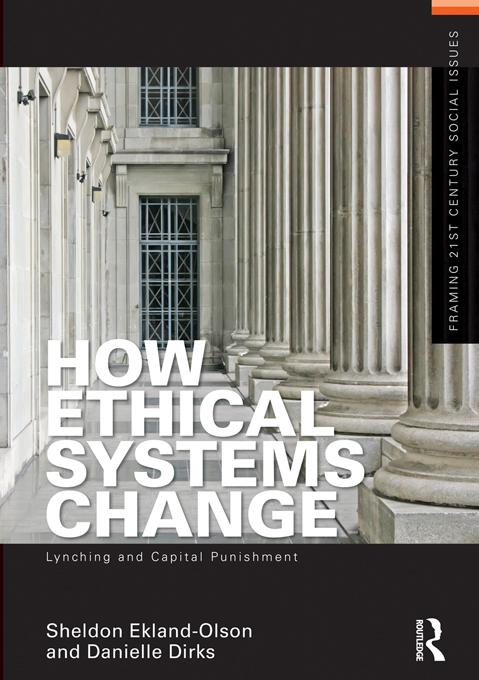
Slavery, lynching and capital punishment were interwoven in the United States and by the mid-twentieth century these connections gave rise to a small but well-focused reform movement. Biased and perfunctory procedures were replaced by prolonged trials and appeals, which some found messy and meaningless; DNA profiling clearly established innocent persons had been sentenced to death. The debate over taking life to protect life continues; this book is based on a hugely popular undergraduate course taught at the University of Texas, and is ideal for those interested in criminal justice, social problems, social inequality, and social movements.
This book is an excerpt from a larger text, Who Lives, Who Dies, Who Decides?, http://www.routledge.com/9780415892476/
Betaal eenvoudig met kaart, Klarna, Apple Pay of Google Pay. Niet tevreden? Je hebt altijd 14 dagen bedenktijd. Lees meer in onze voorwaarden. Heb je vragen, mail ons dan via hello@memmo.org.
Memmo maakt studeren makkelijker – waar je ook bent ter wereld. Wij brengen je cursusboeken en slimme studietools samen op één plek: samenvattingen, quizzen, podcasts en flashcards. En Ted, je studievriend die antwoord geeft op alles wat je je afvraagt. Meer dan 50.000 studenten studeren hier al – gebouwd om je sneller te laten leren en minder stress te geven.