
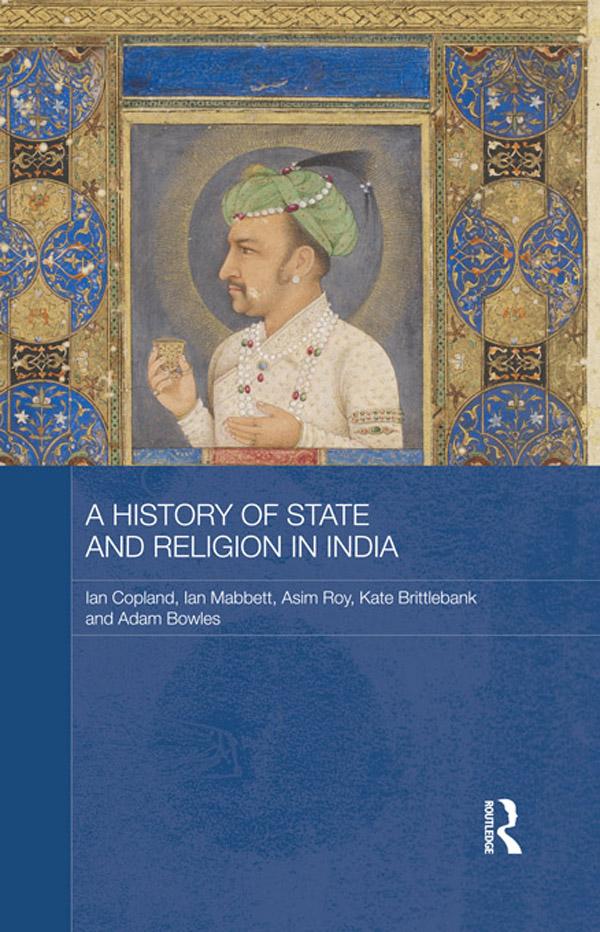
Offering the first long-duration analysis of the relationship between the state and religion in South Asia, this book looks at the nature and origins of Indian secularism. It interrogates the proposition that communalism in India is wholly a product of colonial policy and modernisation, questions whether the Indian state has generally been a benign, or disruptive, influence on public religious life, and evaluates the claim that the region has spawned a culture of practical toleration.
The book is structured around six key arenas of interaction between state and religion: cow worship and sacrifice, control of temples and shrines, religious festivals and processions, proselytising and conversion, communal riots, and religious teaching/doctrine and family law. It offers a challenging argument about the role of the state in religious life in a historical continuum, and identifies points of similarity and contrast between periods and regimes. The book makes a significant contribution to the literature on South Asian History and Religion.
Betaal eenvoudig met kaart, Klarna, Apple Pay of Google Pay. Niet tevreden? Je hebt altijd 14 dagen bedenktijd. Lees meer in onze voorwaarden. Heb je vragen, mail ons dan via hello@memmo.org.
Memmo maakt studeren makkelijker – waar je ook bent ter wereld. Wij brengen je cursusboeken en slimme studietools samen op één plek: samenvattingen, quizzen, podcasts en flashcards. En Ted, je studievriend die antwoord geeft op alles wat je je afvraagt. Meer dan 50.000 studenten studeren hier al – gebouwd om je sneller te laten leren en minder stress te geven.