
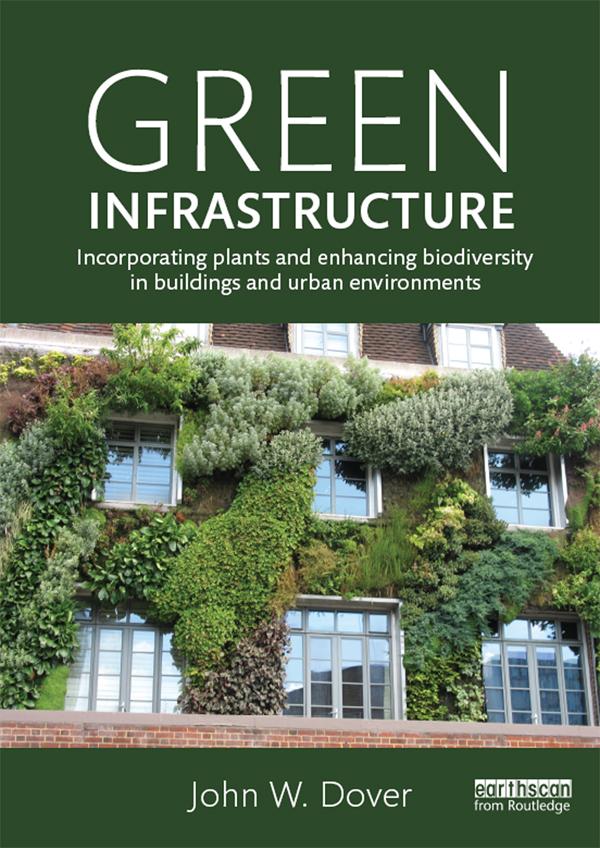
With more than half of the world's population now living in urban areas, it is vitally important that towns and cities are healthy places to live. The principal aim of this book is to synthesize the disparate literature on the use of vegetation in the built environment and its multifunctional benefits to humans. The author reviews issues such as: contact with wildlife and its immediate and long-term effects on psychological and physical wellbeing; the role of vegetation in removing health-damaging pollutants from the air; green roofs and green walls, which provide insulation, reduce energy use and decrease the carbon footprint of buildings; and structural vegetation such as street trees, providing shading and air circulation whilst also helping to stop flash-floods through surface drainage. Examples are used throughout to illustrate the practical use of vegetation to improve the urban environment and deliver ecosystem services.
Whilst the underlying theme is the value of biodiversity, the emphasis is less on existing high-value green spaces (such as nature reserves, parks and gardens), than on the sealed surfaces of urban areas (building surfaces, roads, car parks, plazas, etc.). The book shows how these, and the spaces they encapsulate, can be modified to meet current and future environmental challenges including climate change. The value of existing green space is also covered to provide a comprehensive textbook of international relevance.
Betaal eenvoudig met kaart, Klarna, Apple Pay of Google Pay. Niet tevreden? Je hebt altijd 14 dagen bedenktijd. Lees meer in onze voorwaarden. Heb je vragen, mail ons dan via hello@memmo.org.
Memmo maakt studeren makkelijker – waar je ook bent ter wereld. Wij brengen je cursusboeken en slimme studietools samen op één plek: samenvattingen, quizzen, podcasts en flashcards. En Ted, je studievriend die antwoord geeft op alles wat je je afvraagt. Meer dan 50.000 studenten studeren hier al – gebouwd om je sneller te laten leren en minder stress te geven.