
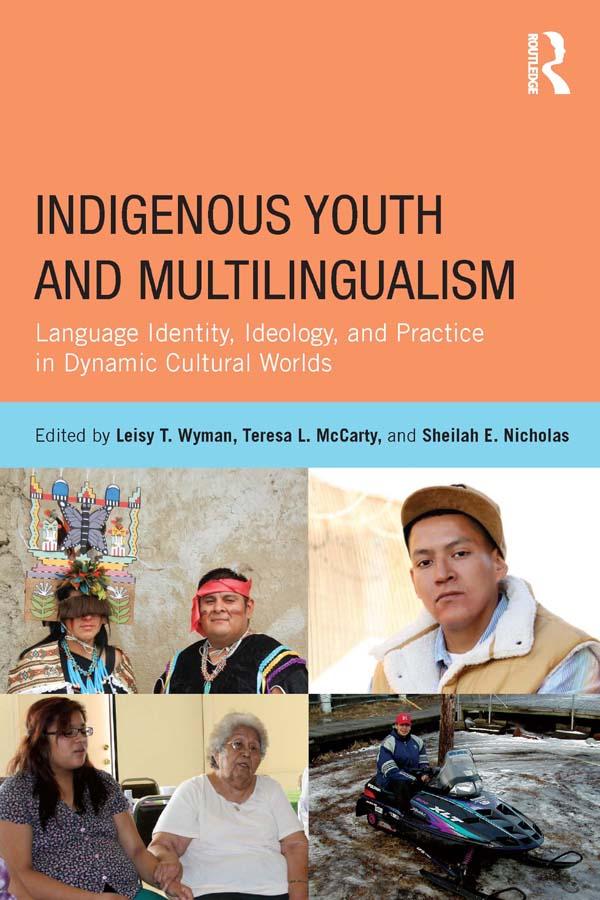
Bridging the fields of youth studies and language planning and policy, this book takes a close, nuanced look at Indigenous youth bi/multilingualism across diverse cultural and linguistic settings, drawing out comparisons, contrasts, and important implications for language planning and policy and for projects designed to curtail language loss. Indigenous and non-Indigenous scholars with longstanding ties to language planning efforts in diverse Indigenous communities examine language policy and planning as de facto and de jure – as covert and overt, bottom-up and top-down. This approach illuminates crosscutting themes of language identity and ideology, cultural conflict, and linguistic human rights as youth negotiate these issues within rapidly changing sociolinguistic contexts. A distinctive feature of the book is its chapters and commentaries by Indigenous scholars writing about their own communities.
This landmark volume stands alone in offering a look at diverse Indigenous youth in multiple endangered language communities, new theoretical, empirical, and methodological insights, and lessons for intergenerational language planning in dynamic sociocultural contexts.
Betaal eenvoudig met kaart, Klarna, Apple Pay of Google Pay. Niet tevreden? Je hebt altijd 14 dagen bedenktijd. Lees meer in onze voorwaarden. Heb je vragen, mail ons dan via hello@memmo.org.
Memmo maakt studeren makkelijker – waar je ook bent ter wereld. Wij brengen je cursusboeken en slimme studietools samen op één plek: samenvattingen, quizzen, podcasts en flashcards. En Ted, je studievriend die antwoord geeft op alles wat je je afvraagt. Meer dan 50.000 studenten studeren hier al – gebouwd om je sneller te laten leren en minder stress te geven.