
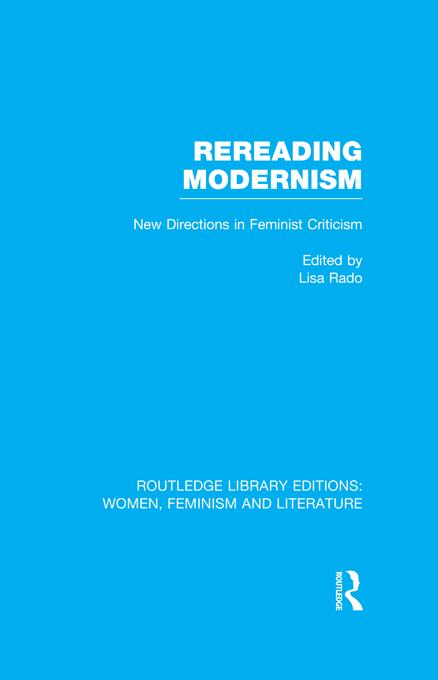
Until about 1986, feminists generally considered modernism a reactionary, misogynist, and hegemonic mire not worth investigating. Since then enough studies of modernism have appeared that 17 feminist critics can now review and debate their treatment of the period. They evaluate the progress and goals of the new era of modernist scholarship.
As the authors in this volume suggest, instead of condemning writers for not practicing or portraying an acceptable politics of gender, we ought instead to show how their assumptions about the nature of the sexes inform their texts, both in their creation and in their reception. This also allows examination of the complex and changing relationship between human subjectivity and aesthetics.
This volume is a highly reflective dialogue, introspective and evaluative, at a moment of crisis within modernist studies and feminist studies. The analysis of critical work on early-twentieth-century literature not only helps reread and redefine a definition of modernism; it also intends to redirect and reintegrate feminist theory.
Betaal eenvoudig met kaart, Klarna, Apple Pay of Google Pay. Niet tevreden? Je hebt altijd 14 dagen bedenktijd. Lees meer in onze voorwaarden. Heb je vragen, mail ons dan via hello@memmo.org.
Memmo maakt studeren makkelijker – waar je ook bent ter wereld. Wij brengen je cursusboeken en slimme studietools samen op één plek: samenvattingen, quizzen, podcasts en flashcards. En Ted, je studievriend die antwoord geeft op alles wat je je afvraagt. Meer dan 50.000 studenten studeren hier al – gebouwd om je sneller te laten leren en minder stress te geven.