
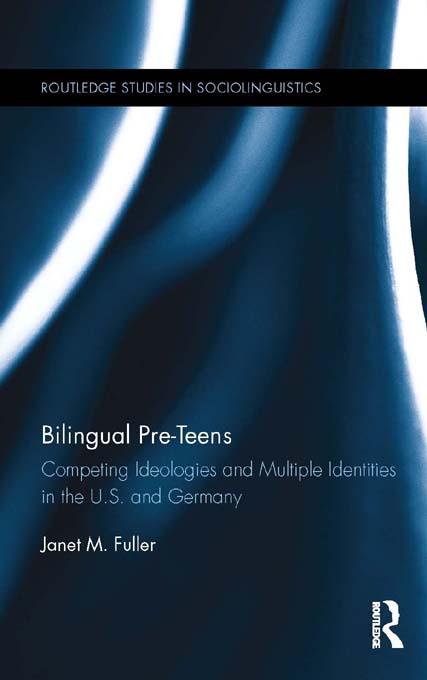
This volume examines the connection between socio-economic class and bilingual practices, a previously under-researched area, through looking at differences in bilingual settings that are classified as "immigrant" or "elite" and are thus linked to socio-economic class categories. Fuller chooses for this examination bilingual pre-teen children in Germany and the U.S. in order to demonstrate how local identities are embedded in a wider social world and how ideologies and identities both produce and reproduce each other. In so doing, she argues that while pre-teen children are clearly influenced by macro-level ideologies, they also have agency in how they choose to construct their identities with relation to hegemonic societal discourses, and have many other motivations and identities aside from social class membership which shape their linguistic practices.
Betaal eenvoudig met kaart, Klarna, Apple Pay of Google Pay. Niet tevreden? Je hebt altijd 14 dagen bedenktijd. Lees meer in onze voorwaarden. Heb je vragen, mail ons dan via hello@memmo.org.
Memmo maakt studeren makkelijker – waar je ook bent ter wereld. Wij brengen je cursusboeken en slimme studietools samen op één plek: samenvattingen, quizzen, podcasts en flashcards. En Ted, je studievriend die antwoord geeft op alles wat je je afvraagt. Meer dan 50.000 studenten studeren hier al – gebouwd om je sneller te laten leren en minder stress te geven.