
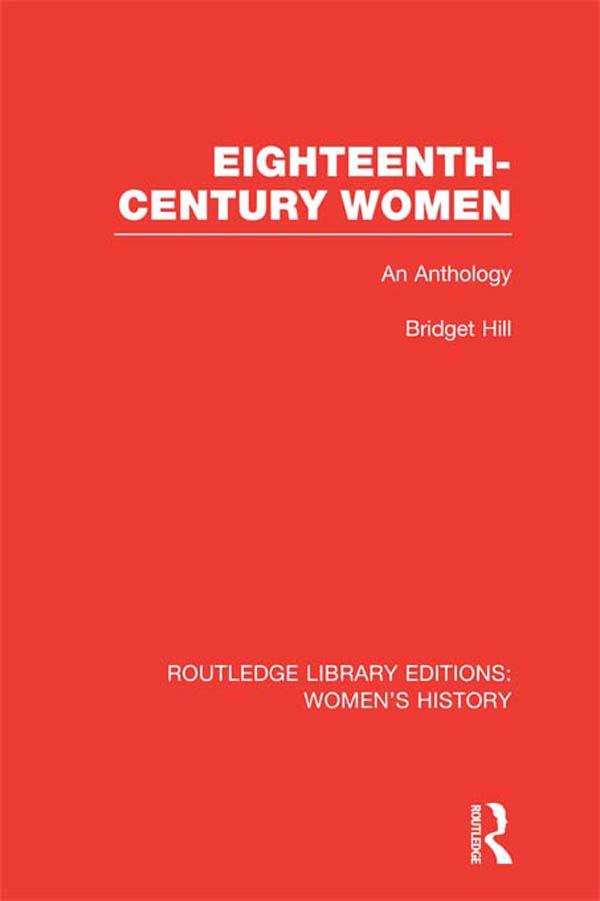
When it was first published in 1984, this book filled an acknowledged gap in the social history of the period and made available hitherto inaccessible sources. The work draws on newspapers and journals, memoirs, diaries, courtesy books, county surveys and records, but also on the literature of the period, its novels, poetry and plays. It examines the role assigned to women in eighteenth-century society and the education thought fitting to perform it. It looks at attitudes to courtship and marriage, chastity and sexual passion. It explores the role of women as wives and mothers, as spinsters and widows, and focuses on the living and working experience of women whether in the home, agriculture, industry or domestic service. It contrasts the expectations of the rich and the poor, the leisured lady and the underpaid female agricultural labourer, the unmarried mother and the prostitute.
Betaal eenvoudig met kaart, Klarna, Apple Pay of Google Pay. Niet tevreden? Je hebt altijd 14 dagen bedenktijd. Lees meer in onze voorwaarden. Heb je vragen, mail ons dan via hello@memmo.org.
Memmo maakt studeren makkelijker – waar je ook bent ter wereld. Wij brengen je cursusboeken en slimme studietools samen op één plek: samenvattingen, quizzen, podcasts en flashcards. En Ted, je studievriend die antwoord geeft op alles wat je je afvraagt. Meer dan 50.000 studenten studeren hier al – gebouwd om je sneller te laten leren en minder stress te geven.