
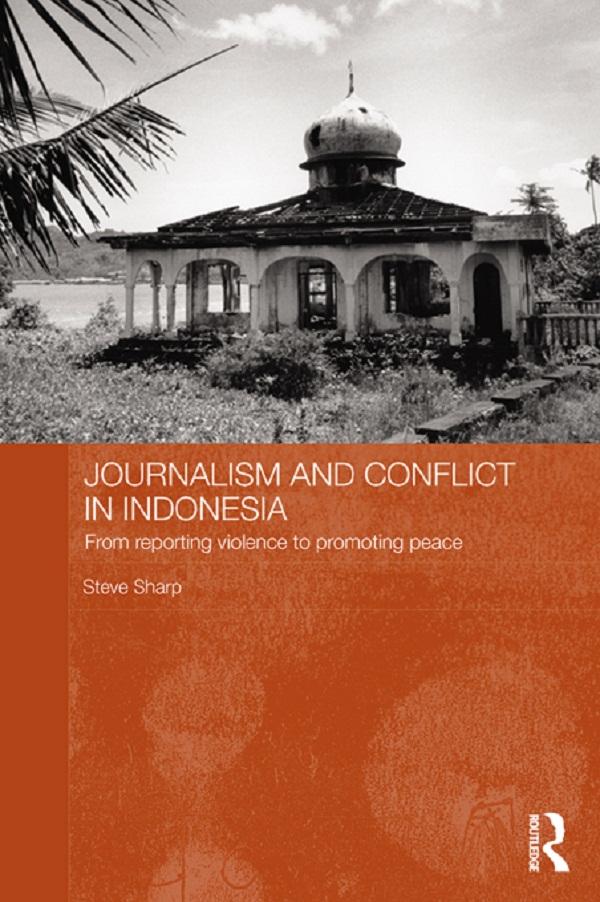
This book examines, through the case study of Indonesia over recent decades, how the reporting of violence can drive the escalation of violence, and how journalists can alter their reporting practices in order to have the opposite effect and promote peace. It discusses the nature of press freedom in Indonesia from 1966 onwards, considers the relationship between the press and politicians, and explores journalists’ working methods. It goes on to outline in detail the communal wars in eastern Indonesia in the period 1999-2000, arguing that communication as much as physical preparations for violence were key to bringing about the wars, with journalists’ rigid professional routines and newswriting conventions causing them to reproduce and enlarge the battle cries of those at war. The book concludes by advocating a "development communication" approach to journalism in transitional settings, in order to help journalists to counter the disintegrative tendencies of failing states and the communal strife that can result.
Betaal eenvoudig met kaart, Klarna, Apple Pay of Google Pay. Niet tevreden? Je hebt altijd 14 dagen bedenktijd. Lees meer in onze voorwaarden. Heb je vragen, mail ons dan via hello@memmo.org.
Memmo maakt studeren makkelijker – waar je ook bent ter wereld. Wij brengen je cursusboeken en slimme studietools samen op één plek: samenvattingen, quizzen, podcasts en flashcards. En Ted, je studievriend die antwoord geeft op alles wat je je afvraagt. Meer dan 50.000 studenten studeren hier al – gebouwd om je sneller te laten leren en minder stress te geven.