
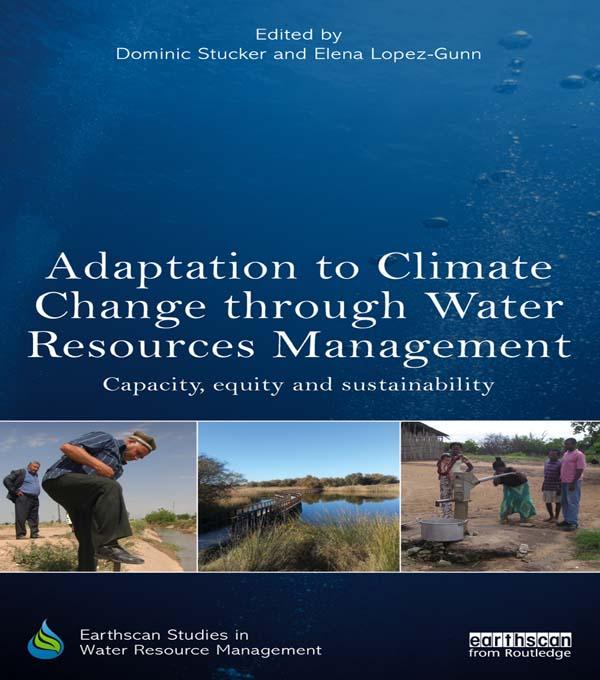
The impacts of human-induced climate change are largely mediated by water, such as alterations in precipitation and glacial melt patterns, variations in river flow, increased occurrence of droughts and floods, and sea level rise in densely populated coastal areas. Such phenomena impact both urban and rural communities in developed, emerging, and developing countries.
Taking a systems approach, this book analyzes evidence from 26 countries and identifies common barriers and bridges for local adaptation to climate change through water resources management. It includes a global set of case studies from places experiencing increased environmental and social pressure due to population growth, development and migration, including in Africa, Asia, Australia, Europe, North and South America.
All chapters consider the crosscutting themes of adaptive capacity, equity, and sustainability. These point to resilient water allocation policies and practices that are capable of protecting social and environmental interests, whilst ensuring the efficient use of an often-scarce resource.
Betaal eenvoudig met kaart, Klarna, Apple Pay of Google Pay. Niet tevreden? Je hebt altijd 14 dagen bedenktijd. Lees meer in onze voorwaarden. Heb je vragen, mail ons dan via hello@memmo.org.
Memmo maakt studeren makkelijker – waar je ook bent ter wereld. Wij brengen je cursusboeken en slimme studietools samen op één plek: samenvattingen, quizzen, podcasts en flashcards. En Ted, je studievriend die antwoord geeft op alles wat je je afvraagt. Meer dan 50.000 studenten studeren hier al – gebouwd om je sneller te laten leren en minder stress te geven.