
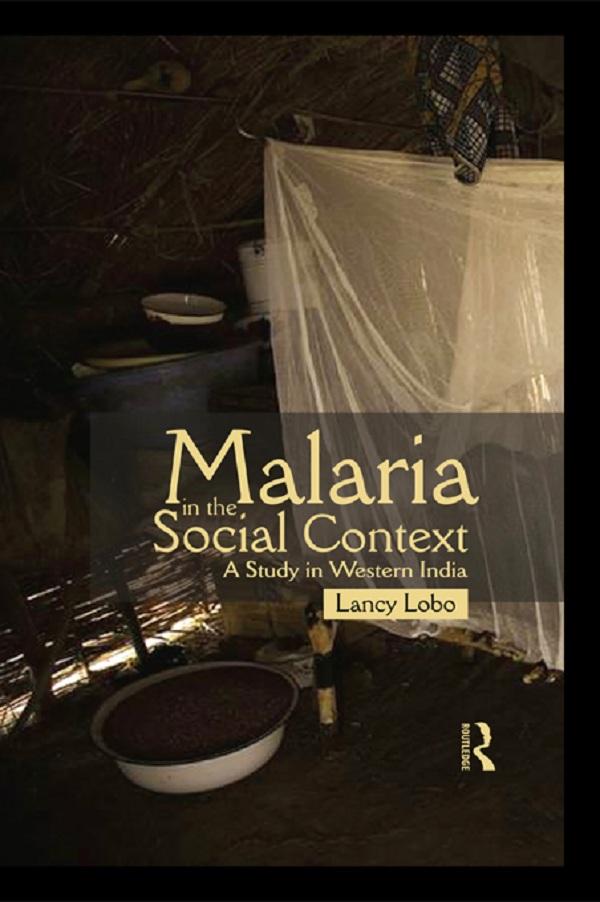
This book underscores how, apart from bacteriological factors, human behavioural characteristics as well as the socio-cultural factors that affect people’s lives contribute to the risk for and prevention of infection, with particular focus on malaria. It argues that the implementation of malaria-control measures can be successful only if it considers the human response to malaria and control measures. Any new tool which is introduced in a particular area — be it a new vaccine, a new drug combination, the promotion of impregnated bed nets, spraying of insecticides, or improved home management — will be effective and sustainable only if it is adapted to needs of the local population, i.e., if it makes sense to them.
This volume also studies traditional knowledge systems with respect to health and malaria, arguing that local knowledge about infection is the result of an amalgamation of the biomedical and the traditional. By attempting to identify how traditional and biomedical elements interrelate in local illness concepts, it hopes to assist health interventionists in providing efficacious health education and awareness among people.
Betaal eenvoudig met kaart, Klarna, Apple Pay of Google Pay. Niet tevreden? Je hebt altijd 14 dagen bedenktijd. Lees meer in onze voorwaarden. Heb je vragen, mail ons dan via hello@memmo.org.
Memmo maakt studeren makkelijker – waar je ook bent ter wereld. Wij brengen je cursusboeken en slimme studietools samen op één plek: samenvattingen, quizzen, podcasts en flashcards. En Ted, je studievriend die antwoord geeft op alles wat je je afvraagt. Meer dan 50.000 studenten studeren hier al – gebouwd om je sneller te laten leren en minder stress te geven.