
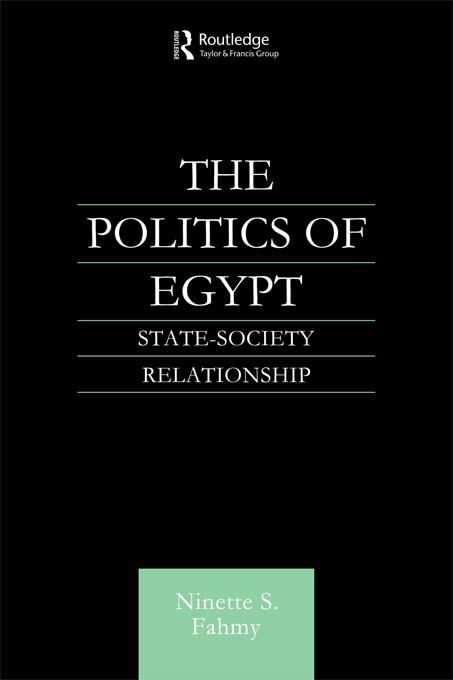
This book addresses two important matters of current concern to Middle East scholars: firstly, the nature of the Egyptian state and society and the interactive process between them and secondly, how change, which would finally lead to development, can be initiated. The book argues that the Egyptian case represents a weak authoritarian state, which through its coercive and repressive policies towards various societal forces, political parties, professional associations and organisations and individuals, creates a weak society. Individual behaviour in urban and rural communities, sometimes viewed as signs of the strength of societal forces, is seen here as a symptom of a weak and fragmented society. The existence of a weak society in turn impedes government objectives and hinders the implementation of developmental policies and programmes, further weakening the state. This being the case, change has to be initiated externally in both the political and economic spheres.
Pagina's: 328
Categorie: Statsvetenskap & Politik
e-ISBN: 9781136129940
Verzendgewicht: 1.2 kg
Verzending binnen: 1-2 dagen
Betaal eenvoudig met kaart, Klarna, Apple Pay of Google Pay. Niet tevreden? Je hebt altijd 14 dagen bedenktijd. Lees meer in onze voorwaarden. Heb je vragen, mail ons dan via hello@memmo.org.
Memmo maakt studeren makkelijker – waar je ook bent ter wereld. Wij brengen je cursusboeken en slimme studietools samen op één plek: samenvattingen, quizzen, podcasts en flashcards. En Ted, je studievriend die antwoord geeft op alles wat je je afvraagt. Meer dan 50.000 studenten studeren hier al – gebouwd om je sneller te laten leren en minder stress te geven.
Misschien vind je dit ook leuk
Koop het boek0