
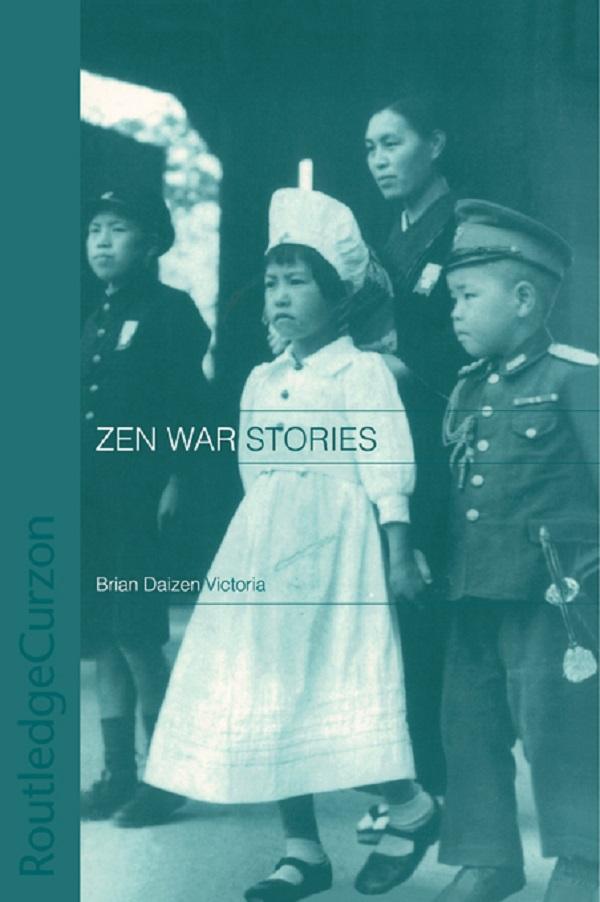
Following the critically acclaimed Zen at War (1997), Brian Victoria explores the intimate relationship between Japanese institutional Buddhism and militarism during the Second World War.
Victoria reveals for the first time, through examination of the wartime writings of the Japanese military itself, that the Zen school's view of life and death was deliberately incorporated into the military's programme of 'spiritual education' in order to develop a fanatical military spirit in both soldiers and civilians. Furthermore, that D. T. Suzuki, the most famous exponent of Zen in the West, is shown to have been a wartime proponent of this Zen-inspired viewpoint which enabled Japanese soldiers to leave for the battlefield already resigned to death. Victoria takes us onto the naval battlefield in the company of warrior-monk and Rinzai Zen Master Nakajima Genjô. We view the war in China through the eyes of a Buddhist military chaplain. The book also examines the relationship to Buddhism of Japan's seven Class-A war criminals who were hung by the Tokyo War Crimes Tribunal in 1948.
A highly controversial study, this book will be of interest, first and foremost, to students of Zen as well as all those studying the history of this period, not to mention anyone concerned with the perennial question of the 'proper' relationship between religion and the state.
Betaal eenvoudig met kaart, Klarna, Apple Pay of Google Pay. Niet tevreden? Je hebt altijd 14 dagen bedenktijd. Lees meer in onze voorwaarden. Heb je vragen, mail ons dan via hello@memmo.org.
Memmo maakt studeren makkelijker – waar je ook bent ter wereld. Wij brengen je cursusboeken en slimme studietools samen op één plek: samenvattingen, quizzen, podcasts en flashcards. En Ted, je studievriend die antwoord geeft op alles wat je je afvraagt. Meer dan 50.000 studenten studeren hier al – gebouwd om je sneller te laten leren en minder stress te geven.