
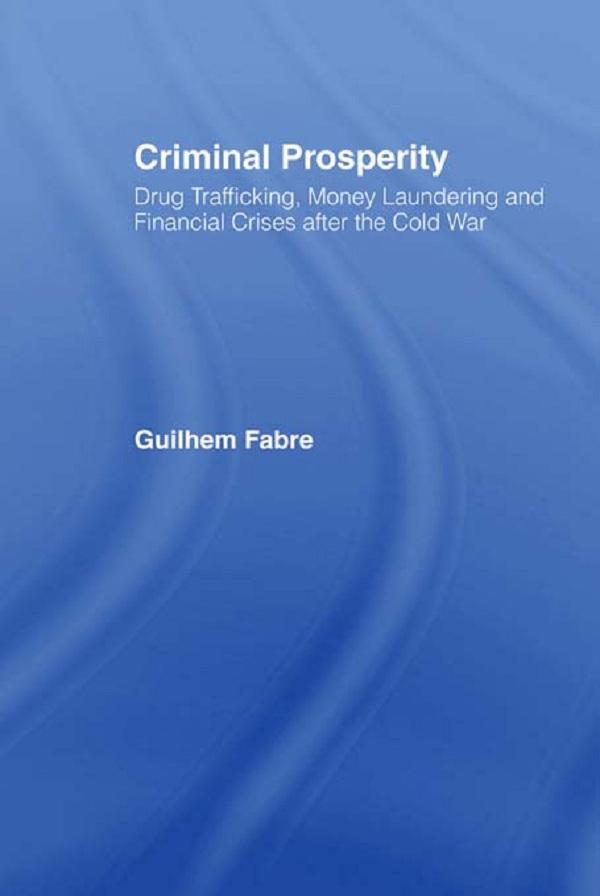
Drug trafficking is the most visible part of the profits of organized crime, which have grown considerably since the end of the cold war. The mirror of history shows us the impact of the drug trade in the colonization of Asia. The post cold war geopolitical context reproduces elements of the past, with new opportunities for drug trafficking in the globalization process, as can be seen in the example of China, and the lasting impunity in terms of money laundering. With the growing role of offshore locations in the global financial system, criminal prosperity has even affected the economic stability of some countries. This book presents a new and heterodox interpretation of the post cold war financial crisis, by focusing on the unexplored dimension of illicit actors.
The Mexican crisis of 1994 and its 'tequila effect' is analyzed as a model of a 'cocaine effect' from the local laundering of profits from the sale of drugs in the US. The Japanese crisis of the 1990s is put in relation to the economic influence of the Yakuza on the real estate bubble, which had the effect of postponing necessary market adjustments. And the Thai crisis of 1997 is analyzed in the light of massive money laundering of institutional and criminal networks, whose undeclared profits represent about 10% of GDP.
Pagina's: 192
Categorie: Kriminologi
e-ISBN: 9781136125782
Verzendgewicht: 1.2 kg
Verzending binnen: 1-2 dagen
Betaal eenvoudig met kaart, Klarna, Apple Pay of Google Pay. Niet tevreden? Je hebt altijd 14 dagen bedenktijd. Lees meer in onze voorwaarden. Heb je vragen, mail ons dan via hello@memmo.org.
Memmo maakt studeren makkelijker – waar je ook bent ter wereld. Wij brengen je cursusboeken en slimme studietools samen op één plek: samenvattingen, quizzen, podcasts en flashcards. En Ted, je studievriend die antwoord geeft op alles wat je je afvraagt. Meer dan 50.000 studenten studeren hier al – gebouwd om je sneller te laten leren en minder stress te geven.
Misschien vind je dit ook leuk
Koop het boek0