
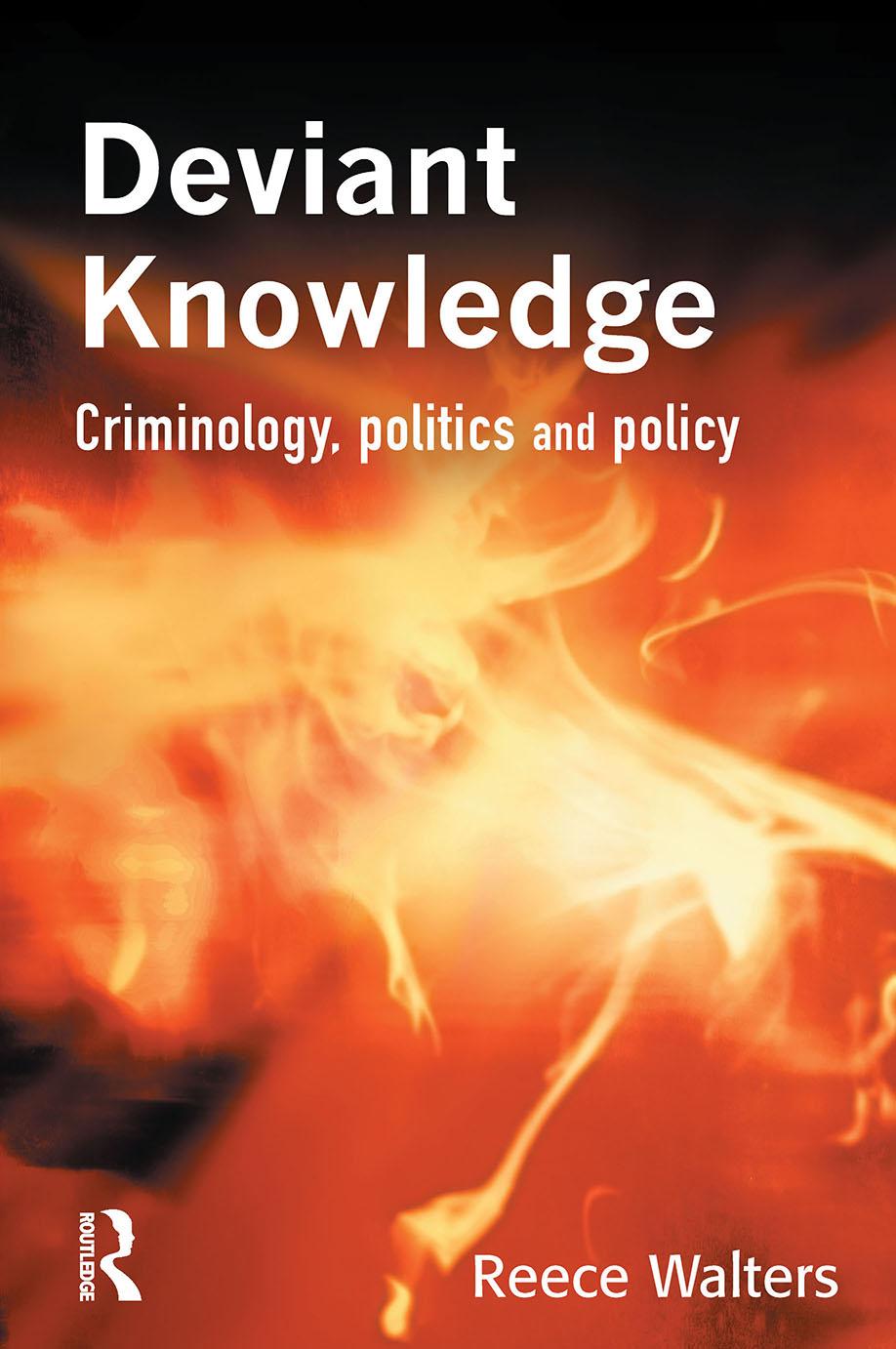
In this important and original book, Reece Walters examines the politics of criminology and the ways in which criminological knowledge is generated. It includes an overview of the politics and practice of conducting criminological research (drawing upon material from Britain, Europe, Australia, New Zealand and the USA), and the ways that regulatory and governing authorities set research agendas, manipulate the processes and production of knowledge and silence or suppress critical voices through various techniques of neutralisation.
The book argues for 'knowledges of resistance' - a position that promotes critique, challenges concepts of power and social order, wrestles with notions of truth and adheres to intellectual autonomy and independence. It provides invaluable insights into the relationship between the criminological researcher, public officials and corporate representatives. Drawing upon a wide range of interviews with academics and administrators from government and business, the book provides rare insights into the ways that knowledge about crime and criminal justice is produced and consumed, revealing why certain topics of criminological enquiry are rarely funded and why others receive ongoing political and governmental support.
The book will be essential reading for anybody interested in the development of criminological theory and research, and the context and influences that shape it.
Betaal eenvoudig met kaart, Klarna, Apple Pay of Google Pay. Niet tevreden? Je hebt altijd 14 dagen bedenktijd. Lees meer in onze voorwaarden. Heb je vragen, mail ons dan via hello@memmo.org.
Memmo maakt studeren makkelijker – waar je ook bent ter wereld. Wij brengen je cursusboeken en slimme studietools samen op één plek: samenvattingen, quizzen, podcasts en flashcards. En Ted, je studievriend die antwoord geeft op alles wat je je afvraagt. Meer dan 50.000 studenten studeren hier al – gebouwd om je sneller te laten leren en minder stress te geven.