
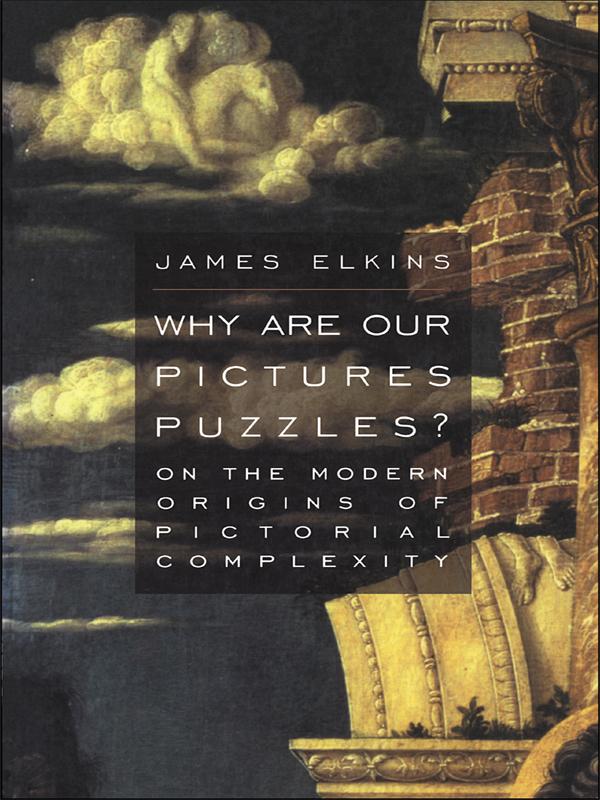
With bracing clarity, James Elkins explores why images are taken to be more intricate and hard to describe in the twentieth century than they had been in any previous century. Why Are Our Pictures Puzzles? uses three models to understand the kinds of complex meaning that pictures are thought to possess: the affinity between the meanings of paintings and jigsaw-puzzles; the contemporary interest in ambiguity and 'levels of meaning'; and the penchant many have to interpret pictures by finding images hidden within them. Elkins explores a wide variety of examples, from the figures hidden in Renaissance paintings to Salvador Dali's paranoiac meditations on Millet's Angelus, from Persian miniature paintings to jigsaw-puzzles. He also examines some of the most vexed works in history, including Watteau's "meaningless" paintings, Michelangelo's Sistine Ceiling, and Leonardo's Last Supper.
Betaal eenvoudig met kaart, Klarna, Apple Pay of Google Pay. Niet tevreden? Je hebt altijd 14 dagen bedenktijd. Lees meer in onze voorwaarden. Heb je vragen, mail ons dan via hello@memmo.org.
Memmo maakt studeren makkelijker – waar je ook bent ter wereld. Wij brengen je cursusboeken en slimme studietools samen op één plek: samenvattingen, quizzen, podcasts en flashcards. En Ted, je studievriend die antwoord geeft op alles wat je je afvraagt. Meer dan 50.000 studenten studeren hier al – gebouwd om je sneller te laten leren en minder stress te geven.