
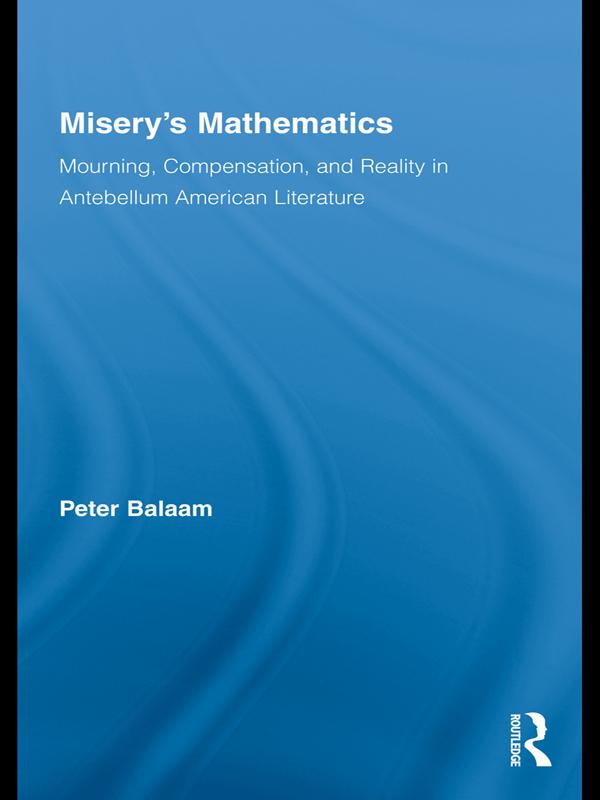
This book reveals the strain of a moment in American cultural history that led several remarkable writers -- including Emerson, Warner, and Melville -- to render the stark rupture of loss in innovative ways. Pushing Protestant culture's sense of loss into secular terrain, these three key writers rejected Calvinist and sentimental models of bereavement, creating instead the compensations of a mature American literature whose 'originality' stemmed from its capacity to mourn the loss of a common culture and, through such mourning, to assent to new social and cultural realities. Balaam locates this appeal to 'reality' in the analogies antebellum writers drew between their experience of bereavement, and the experiences of uncertainty and disillusionment, that followed the revolutions in science, the winding down of creedal systems and the economic instability typifying the pre-Civil War era.
Betaal eenvoudig met kaart, Klarna, Apple Pay of Google Pay. Niet tevreden? Je hebt altijd 14 dagen bedenktijd. Lees meer in onze voorwaarden. Heb je vragen, mail ons dan via hello@memmo.org.
Memmo maakt studeren makkelijker – waar je ook bent ter wereld. Wij brengen je cursusboeken en slimme studietools samen op één plek: samenvattingen, quizzen, podcasts en flashcards. En Ted, je studievriend die antwoord geeft op alles wat je je afvraagt. Meer dan 50.000 studenten studeren hier al – gebouwd om je sneller te laten leren en minder stress te geven.