
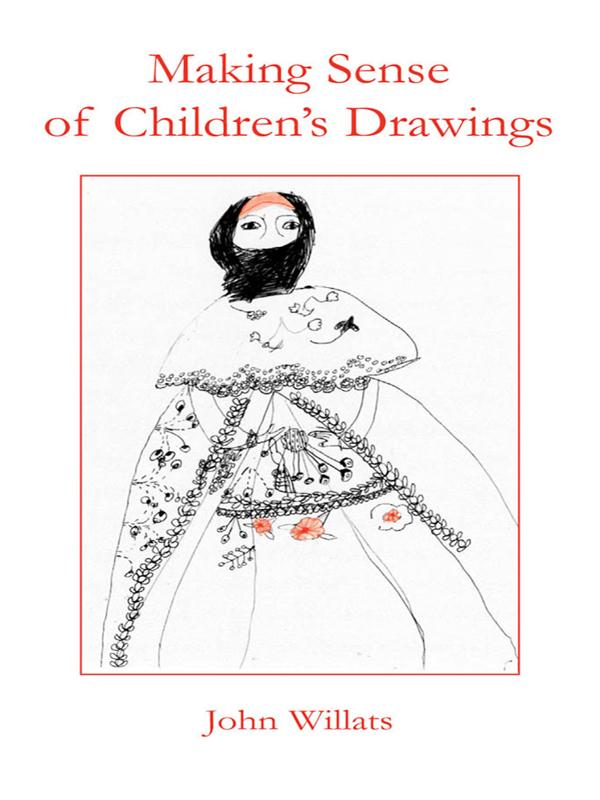
The message of this book is a simple one: children learn to draw by acquiring increasingly complex and effective drawing rules. In this regard, learning to draw is like learning a language, and as with language children use these rules creatively, making infinite use of finite means. Learning to draw is thus, like learning a language, one of the major achievements of the human mind.
Theories of perception developed in the second half of the 20th century enable us to construct a new theory of children's drawings that can account for their many strange features. Earlier accounts contained valuable insights, but recent advances in the fields of language, vision, philosophy, and artificial intelligence now make it possible to resolve the many contradictions and confusions inherent in these early writings.
John Willats has written a book that is accessible to psychologists, artists, primary and junior schoolteachers, and parents of both gifted and normal children.
Betaal eenvoudig met kaart, Klarna, Apple Pay of Google Pay. Niet tevreden? Je hebt altijd 14 dagen bedenktijd. Lees meer in onze voorwaarden. Heb je vragen, mail ons dan via hello@memmo.org.
Memmo maakt studeren makkelijker – waar je ook bent ter wereld. Wij brengen je cursusboeken en slimme studietools samen op één plek: samenvattingen, quizzen, podcasts en flashcards. En Ted, je studievriend die antwoord geeft op alles wat je je afvraagt. Meer dan 50.000 studenten studeren hier al – gebouwd om je sneller te laten leren en minder stress te geven.