
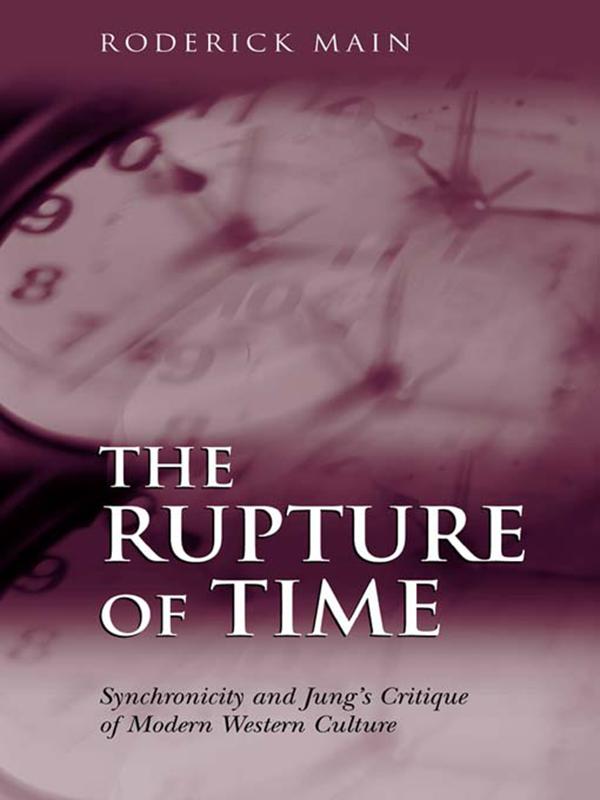
Why was the idea of synchronicity so important to Jung?
Jung's theory of synchronicity radically challenges the entrenched assumptions of mainstream modern culture in the West. It is one of the most fascinating yet difficult and discomfiting of Jung's psychological theories.
The Rupture of Time aims to clarify what Jung really meant by synchronicity, why the idea was so important to him and how it informed his thinking about modern western culture. Areas examined include:
* how the theory fits into Jung's overall psychological model and the significance of its apparent inconsistencies
* the wide range of personal, intellectual and social contexts of Jung's thinking on the topic
* how Jung himself applied the theory of synchronicity within his critique of science, religion, and society
* the continuing relevance of the theory for understanding issues in contemporary detraditionalised religion.
Focusing closely on Jung's own writings and statements, this book discloses that the theory of synchronicity is not an inconsequential addendum to analytical psychology but is central to the psychological project that occupied Jung throughout his professional life. This much-needed clarification of one of Jung's central tenets will be of great interest to all analytical psychologists and scholars engaged with Jungian thought.
Betaal eenvoudig met kaart, Klarna, Apple Pay of Google Pay. Niet tevreden? Je hebt altijd 14 dagen bedenktijd. Lees meer in onze voorwaarden. Heb je vragen, mail ons dan via hello@memmo.org.
Memmo maakt studeren makkelijker – waar je ook bent ter wereld. Wij brengen je cursusboeken en slimme studietools samen op één plek: samenvattingen, quizzen, podcasts en flashcards. En Ted, je studievriend die antwoord geeft op alles wat je je afvraagt. Meer dan 50.000 studenten studeren hier al – gebouwd om je sneller te laten leren en minder stress te geven.