
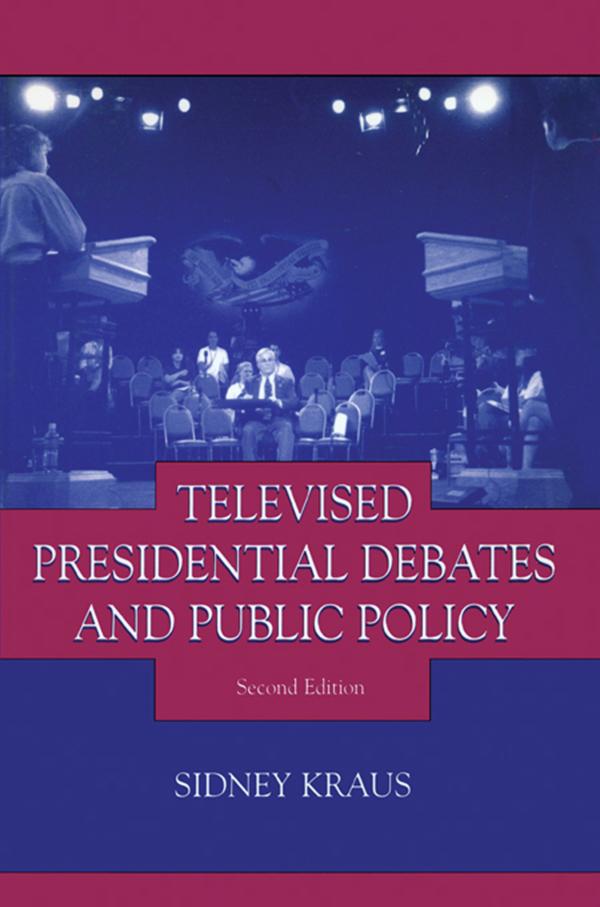
With this second edition, Kraus continues his examination of formal presidential debates, considering the experience of television in presidential elections, reviewing what has been learned about televised debates, and evaluating that knowledge in the context of the election process, specifically, and the political process, generally. He also examines the media and the role they occupy in presidential elections. Because critics often refer to the Lincoln-Douglas debates when reproaching presidential debates, comparisons of the two are discussed throughout the book. Much of the data and information for this accounting of televised presidential debates comes from the author's first-hand experience as one who was involved with these debates as a participant observer, on site at nearly all of the debates discussed.
Throughout these discussions, emphasis is placed on the implications for public policy. To suggest policy that will be accepted and adopted by politicians and the public is, at best, difficult. Proposals for changes in public policy based on experience -- even when scientific data support those changes -- must be subjected to an assessment of the values and predispositions of the proponent. These values and predispositions, however, may not necessarily inhibit the proponent's objectivity. As such, this review of television use in the presidential election process provides the context for examining televised debates.
Betaal eenvoudig met kaart, Klarna, Apple Pay of Google Pay. Niet tevreden? Je hebt altijd 14 dagen bedenktijd. Lees meer in onze voorwaarden. Heb je vragen, mail ons dan via hello@memmo.org.
Memmo maakt studeren makkelijker – waar je ook bent ter wereld. Wij brengen je cursusboeken en slimme studietools samen op één plek: samenvattingen, quizzen, podcasts en flashcards. En Ted, je studievriend die antwoord geeft op alles wat je je afvraagt. Meer dan 50.000 studenten studeren hier al – gebouwd om je sneller te laten leren en minder stress te geven.