
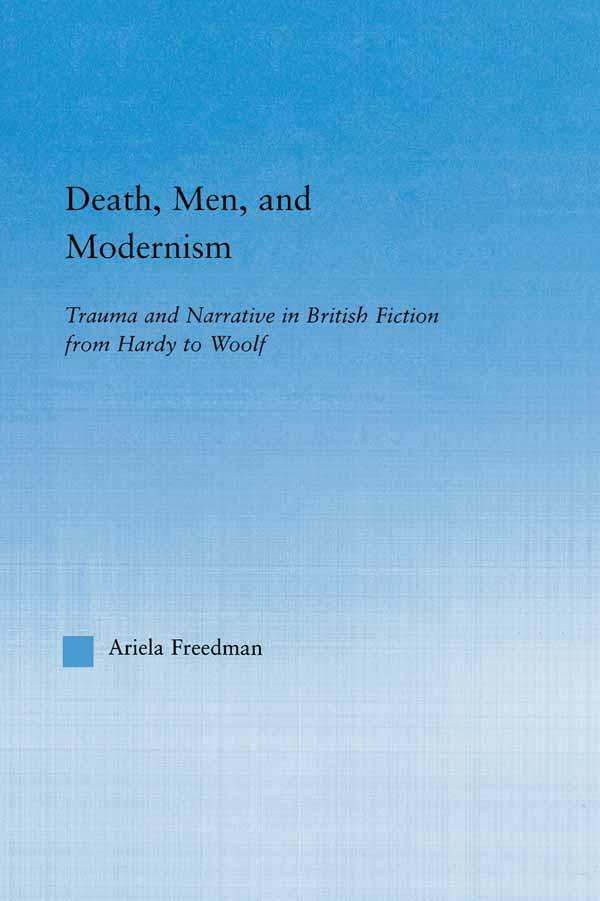
Death, Men and Modernism argues that the figure of the dead man becomes a locus of attention and a symptom of crisis in British writing of the early to mid-twentieth century. While Victorian writers used dying women to dramatize aesthetic, structural, and historical concerns, modernist novelists turned to the figure of the dying man to exemplify concerns about both masculinity and modernity. Along with their representations of death, these novelists developed new narrative techniques to make the trauma they depicted palpable. Contrary to modernist genealogies, the emergence of the figure of the dead man in texts as early as Thomas Hardy's Jude theObscure suggests that World War I intensified-but did not cause-these anxieties. This book elaborates a nodal point which links death, masculinity, and modernity long before the events of World War I.
Betaal eenvoudig met kaart, Klarna, Apple Pay of Google Pay. Niet tevreden? Je hebt altijd 14 dagen bedenktijd. Lees meer in onze voorwaarden. Heb je vragen, mail ons dan via hello@memmo.org.
Memmo maakt studeren makkelijker – waar je ook bent ter wereld. Wij brengen je cursusboeken en slimme studietools samen op één plek: samenvattingen, quizzen, podcasts en flashcards. En Ted, je studievriend die antwoord geeft op alles wat je je afvraagt. Meer dan 50.000 studenten studeren hier al – gebouwd om je sneller te laten leren en minder stress te geven.