
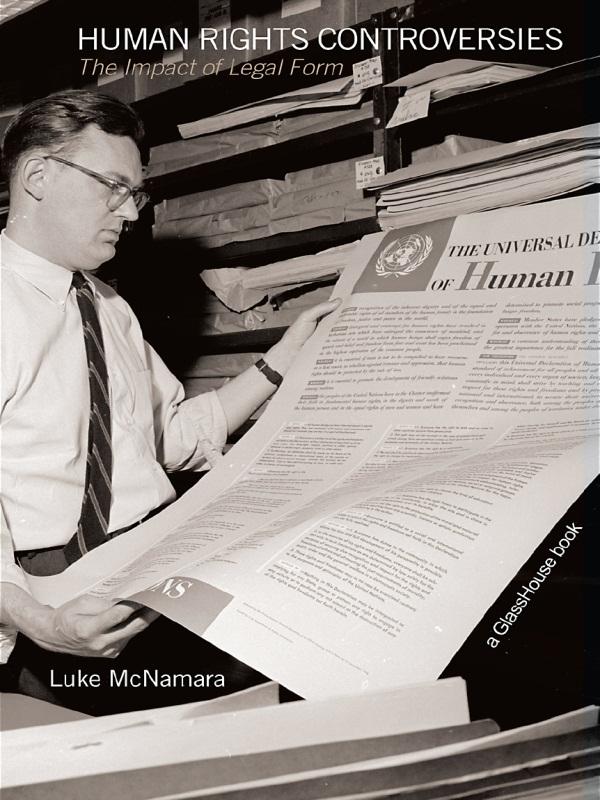
Many countries confront similar human rights controversies, but, despite the claimed universality of human rights values they are not always resolved in the same way. Why? What role do local legal conditions play? Is human rights discourse more potent where rights are constitutionally entrenched, rather than where there is a tradition of respect for underlying human rights values but no bill of rights?
Comparative socio-legal examination of three recent controversies - double jeopardy reform, recognition of same-sex relationships and the operation of hate speech laws - in four countries - Australia, Canada, New Zealand and the United Kingdom provides answers to these questions.
Examination of these controversies suggests that differences in the design of domestic legal institutions and procedures for the injection of human rights values into legal decision-making processes can have a powerful effect on the manner in which human rights issues are constructed, handled and resolved.
Betaal eenvoudig met kaart, Klarna, Apple Pay of Google Pay. Niet tevreden? Je hebt altijd 14 dagen bedenktijd. Lees meer in onze voorwaarden. Heb je vragen, mail ons dan via hello@memmo.org.
Memmo maakt studeren makkelijker – waar je ook bent ter wereld. Wij brengen je cursusboeken en slimme studietools samen op één plek: samenvattingen, quizzen, podcasts en flashcards. En Ted, je studievriend die antwoord geeft op alles wat je je afvraagt. Meer dan 50.000 studenten studeren hier al – gebouwd om je sneller te laten leren en minder stress te geven.