
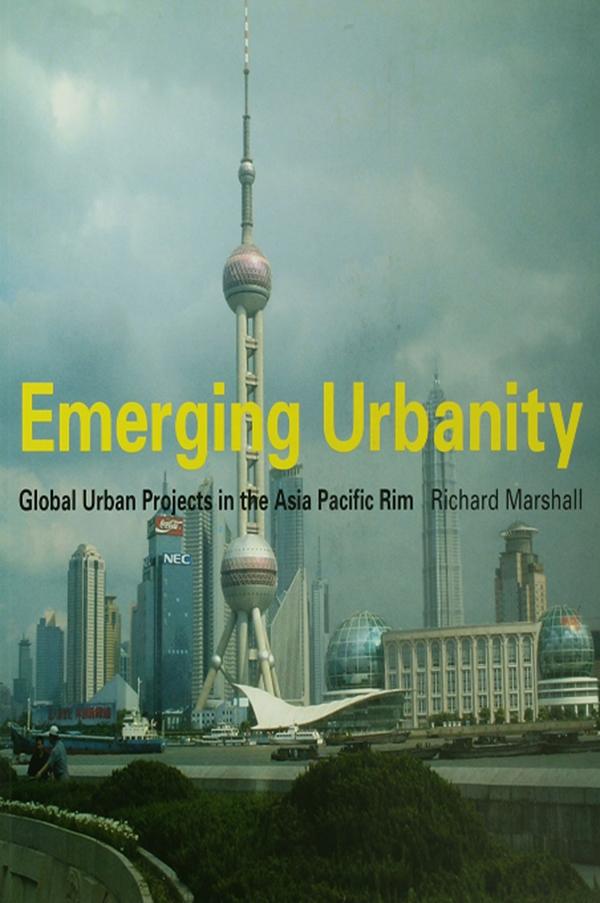
Discussions on the global economy focus on the hyper-mobility of capital, the possibility of instantaneous transmission of information and money around the globe, the centrality of information outputs to our economic systems and emphasise the neutralisation of geography and of places. What is ignored, however, is that even the most advanced information industries need a material infrastructure of buildings and work processes, and considerable agglomeration, in order to operate in global markets. Further, the globalisation of economic activity has brought with it not only a vast dispersal of offices and factories, but also a growing importance of central functions to manage and coordinate such worldwide networks of activities.
The development of global urban projects is one manifestation of this move towards centrality in urban situations. These large-scale urban projects are the result of governments' seeking competitive advantage in the global economy. They are critical components of a nation's global infrastructure. In the booming economies of the Asia Pacific Rim prior to the Asian Economic Crisis these urban developments were seen as key components of national economic policies. In their making they require a conscious effort to arrange material infrastructure and reinforce that there is a role for urban design in this making. Emerging Urbanity is an exploration of this role in nine global urban projects in the Asia Pacific Rim.
Betaal eenvoudig met kaart, Klarna, Apple Pay of Google Pay. Niet tevreden? Je hebt altijd 14 dagen bedenktijd. Lees meer in onze voorwaarden. Heb je vragen, mail ons dan via hello@memmo.org.
Memmo maakt studeren makkelijker – waar je ook bent ter wereld. Wij brengen je cursusboeken en slimme studietools samen op één plek: samenvattingen, quizzen, podcasts en flashcards. En Ted, je studievriend die antwoord geeft op alles wat je je afvraagt. Meer dan 50.000 studenten studeren hier al – gebouwd om je sneller te laten leren en minder stress te geven.