
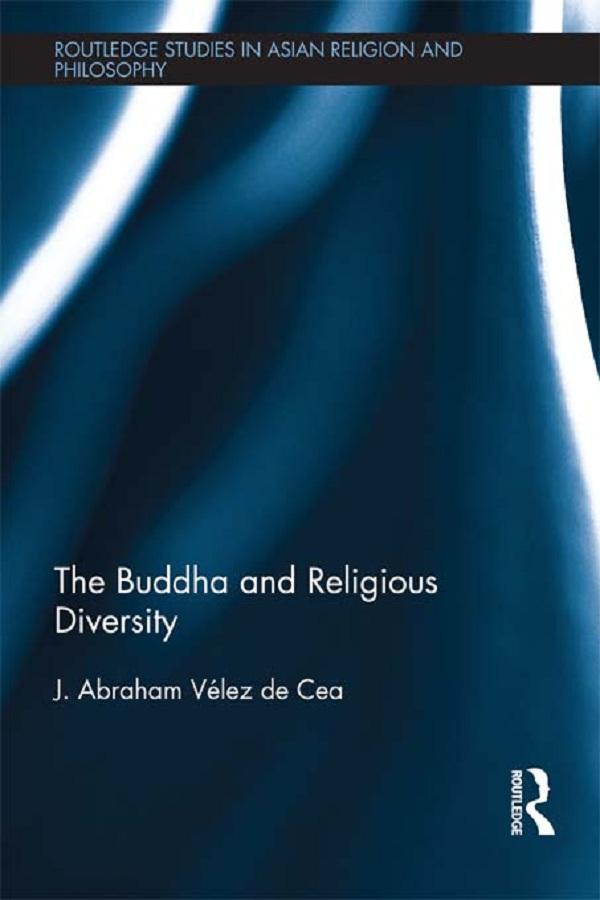
Providing a rigorous analysis of Buddhist ways of understanding religious diversity, this book develops a new foundation for cross-cultural understanding of religious diversity in our time.
Examining the complexity and uniqueness of Buddha’s approach to religious pluralism using four main categories – namely exclusivism, inclusivism, pluralistic-inclusivism and pluralism – the book proposes a cross-cultural and interreligious interpretation of each category, thus avoiding the accusation of intellectual colonialism. The key argument is that, unlike the Buddha, most Buddhist traditions today, including Theravāda Buddhism and even the Dalai Lama, consider liberation and the highest stages of spiritual development exclusive to Buddhism. The book suggests that the Buddha rejects many doctrines and practices found in other traditions, and that, for him, there are nonnegotiable ethical and doctrinal standards that correspond to the Dharma. This argument is controversial and likely to ignite a debate among Buddhists from different traditions, especially between conservative and progressive Buddhists.
The book fruitfully contributes to the literature on inter-religious dialogue, and is of use to students and scholars of Asian Studies, World Religion and Eastern Philosophy.
Betaal eenvoudig met kaart, Klarna, Apple Pay of Google Pay. Niet tevreden? Je hebt altijd 14 dagen bedenktijd. Lees meer in onze voorwaarden. Heb je vragen, mail ons dan via hello@memmo.org.
Memmo maakt studeren makkelijker – waar je ook bent ter wereld. Wij brengen je cursusboeken en slimme studietools samen op één plek: samenvattingen, quizzen, podcasts en flashcards. En Ted, je studievriend die antwoord geeft op alles wat je je afvraagt. Meer dan 50.000 studenten studeren hier al – gebouwd om je sneller te laten leren en minder stress te geven.