
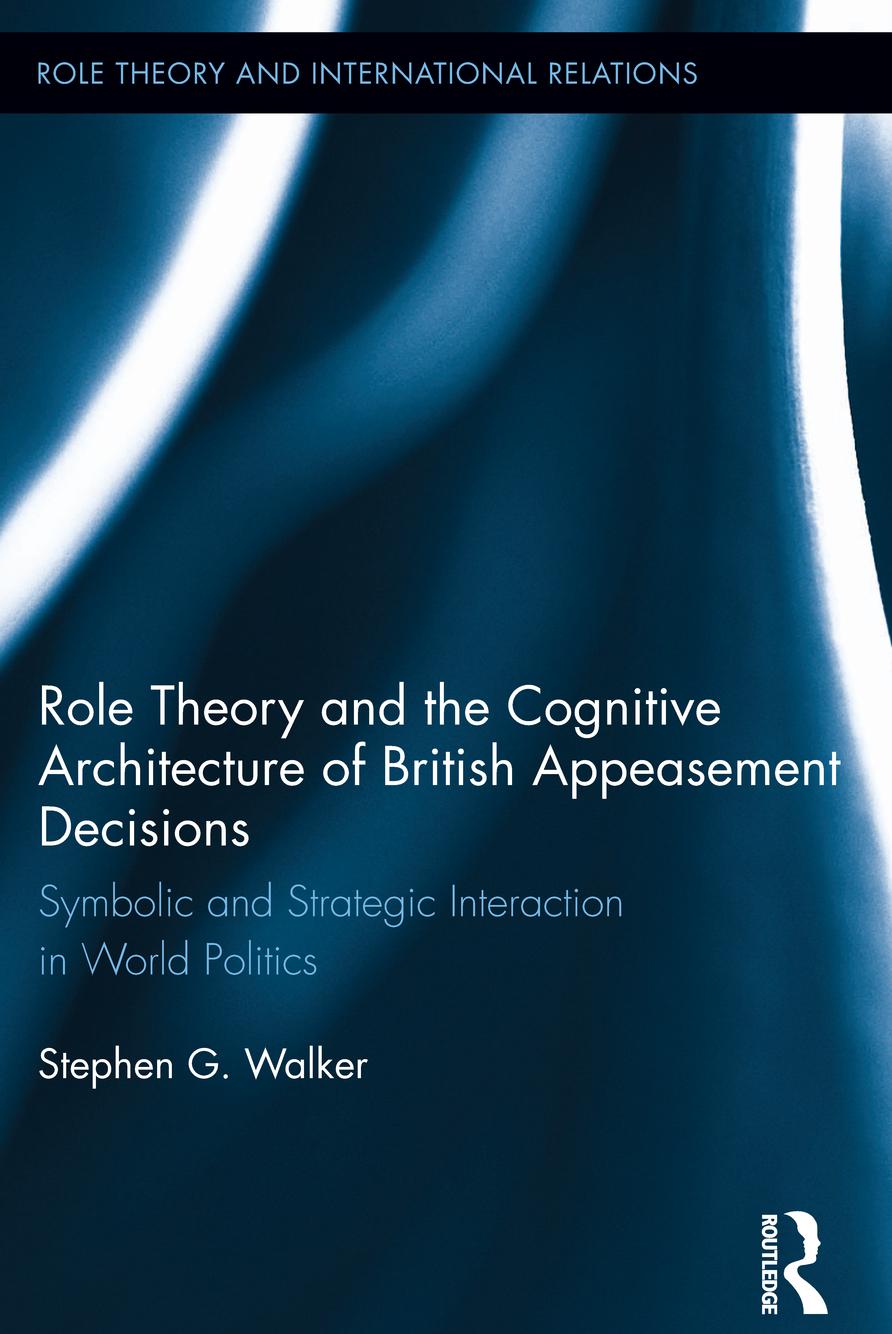
Appeasement is a controversial strategy of conflict management and resolution in world politics. Its reputation is sullied by foreign policy failures ending in war or defeat in which the appeasing state suffers diplomatic and military losses by making costly concessions to other states. Britain’s appeasement policies toward Germany, Italy, and Japan in the 1930s are perhaps the most notorious examples of the patterns of failure associated with this strategy. Is appeasement’s reputation deserved or is this strategy simply misunderstood and perhaps improperly applied?
Role theory offers a general theoretical solution to the appeasement puzzle that addresses these questions, and the answers should be interesting to political scientists, historians, students, and practitioners of cooperation and conflict strategies in world politics. As a social-psychological theory of human behavior, role theory has the capacity to unite the insights of various existing theories of agency and structure in the domain of world politics. Demonstrating this claim is the methodological aim in this book and its main contribution to breaking new ground in international relations theory.
Betaal eenvoudig met kaart, Klarna, Apple Pay of Google Pay. Niet tevreden? Je hebt altijd 14 dagen bedenktijd. Lees meer in onze voorwaarden. Heb je vragen, mail ons dan via hello@memmo.org.
Memmo maakt studeren makkelijker – waar je ook bent ter wereld. Wij brengen je cursusboeken en slimme studietools samen op één plek: samenvattingen, quizzen, podcasts en flashcards. En Ted, je studievriend die antwoord geeft op alles wat je je afvraagt. Meer dan 50.000 studenten studeren hier al – gebouwd om je sneller te laten leren en minder stress te geven.