
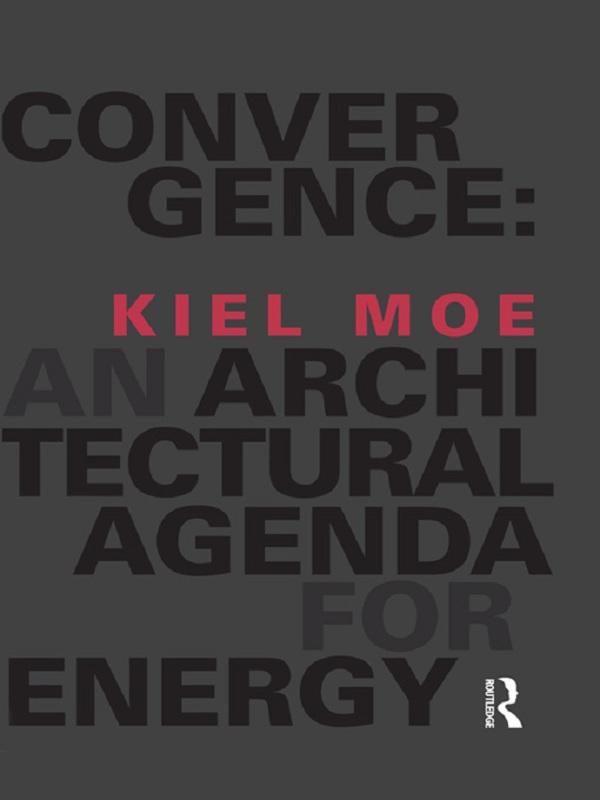
Convergence is based on the thermodynamic premise that architecture should maximize its ecological and architectural power. No matter how paradoxical it might initially seem, architects should maximize energy intake, maximize energy use, and maximize energy feedback and reinforcement. This presumes that the necessary excess of architecture is in fact an architect’s greatest asset when it comes to an agenda for energy, not a liability.
But how do we start to understand the full range of eco-thermodynamic principles which need to be engaged with in order to achieve this?
Kiel Moe explicates three factors: materials, energy systems and amortization. When these three factors converge through design, the resulting buildings begin to perform in complex, if not subtle, ways.
By drawing on a range of architectural, thermodynamic, and ecological sources as well as illustrated and well-designed case studies, the author shows what architecture stands to gain by simultaneously maximizing the architectural and ecological power of buildings.
.
Betaal eenvoudig met kaart, Klarna, Apple Pay of Google Pay. Niet tevreden? Je hebt altijd 14 dagen bedenktijd. Lees meer in onze voorwaarden. Heb je vragen, mail ons dan via hello@memmo.org.
Memmo maakt studeren makkelijker – waar je ook bent ter wereld. Wij brengen je cursusboeken en slimme studietools samen op één plek: samenvattingen, quizzen, podcasts en flashcards. En Ted, je studievriend die antwoord geeft op alles wat je je afvraagt. Meer dan 50.000 studenten studeren hier al – gebouwd om je sneller te laten leren en minder stress te geven.