
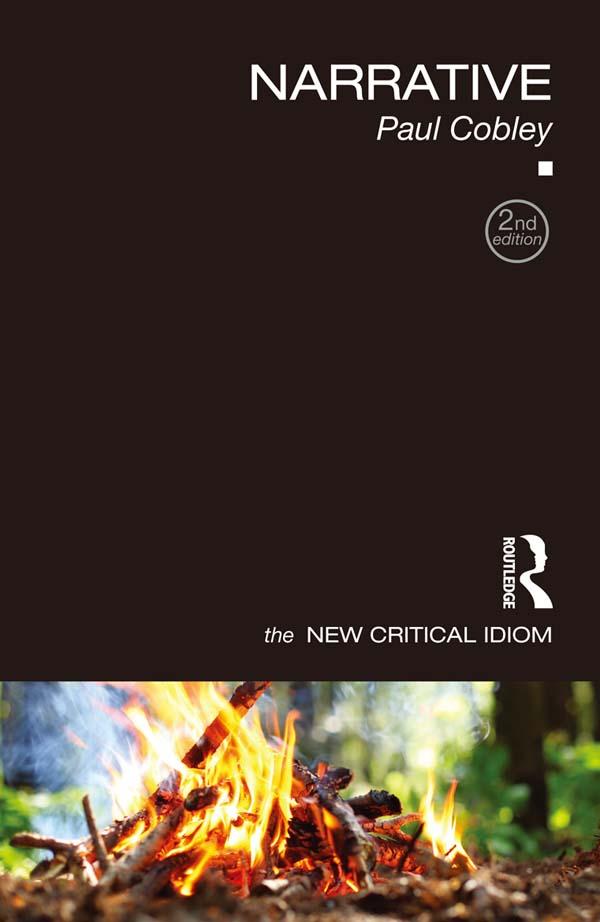
Human beings have constantly told stories, presented events and placed the world into narrative form. This activity suggests a very basic way of looking at the world, yet, this book argues, even the most seemingly simple of stories is embedded in a complex network of relations. Paul Cobley traces these relations, considering the ways in which humans have employed narrative over the centuries to ‘re-present’ time, space and identity.
This second, revised and fully updated edition of the successful guidebook to narrative covers a range of narrative forms and their historical development from early oral and literate forms through to contemporary digital media, encompassing Hellenic and Hebraic foundations, the rise of the novel, realist representations, narratives of imperialism, modernism, cinema, postmodernism and new technologies. A final chapter reviews the way that narrative theory in the last decade has re-orientated definitions of narrative.
Written in a clear, engaging style and featuring an extensive glossary of terms, this is the essential introduction to the history and theory of narrative.
Betaal eenvoudig met kaart, Klarna, Apple Pay of Google Pay. Niet tevreden? Je hebt altijd 14 dagen bedenktijd. Lees meer in onze voorwaarden. Heb je vragen, mail ons dan via hello@memmo.org.
Memmo maakt studeren makkelijker – waar je ook bent ter wereld. Wij brengen je cursusboeken en slimme studietools samen op één plek: samenvattingen, quizzen, podcasts en flashcards. En Ted, je studievriend die antwoord geeft op alles wat je je afvraagt. Meer dan 50.000 studenten studeren hier al – gebouwd om je sneller te laten leren en minder stress te geven.