
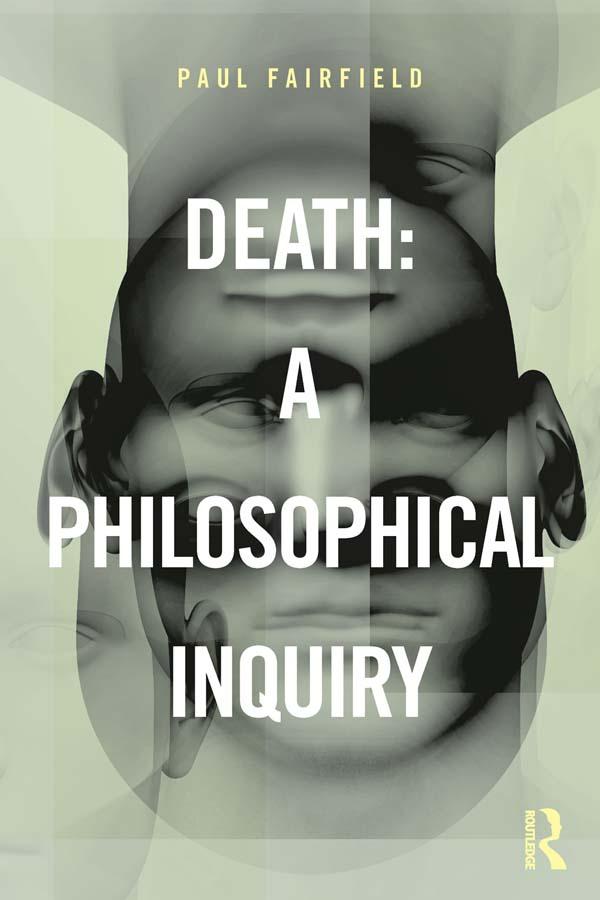
From Nietzsche's pronouncement that "God is dead" to Camus' argument that suicide is the fundamental question of philosophy, the concept of death plays an important role in existential phenomenology, reaching from Kierkegaard to Heidegger and Marcel.
This book explores the phenomenology of death and offers a unique way into the phenomenological tradition. Paul Fairfield examines the following key topics:
- the modern denial of death
- Heidegger's important concept of 'being-toward-death' and its centrality in phenomenological ideas, such as authenticity and existence
- the philosophical significance of death rituals: what explains the imperative toward ritual around death, and what is its purpose and meaning?
- death in an age of secularism
- the philosophy and ethics of suicide
- death as a mystery rather than a philosophical problem to be solved
- the relationship between hope and death
Death: A Philosophical Inquiry is essential reading for students of phenomenology and existentialism, and will also be of interest to students in related fields such as religion, anthropology and the medical humanities.
Betaal eenvoudig met kaart, Klarna, Apple Pay of Google Pay. Niet tevreden? Je hebt altijd 14 dagen bedenktijd. Lees meer in onze voorwaarden. Heb je vragen, mail ons dan via hello@memmo.org.
Memmo maakt studeren makkelijker – waar je ook bent ter wereld. Wij brengen je cursusboeken en slimme studietools samen op één plek: samenvattingen, quizzen, podcasts en flashcards. En Ted, je studievriend die antwoord geeft op alles wat je je afvraagt. Meer dan 50.000 studenten studeren hier al – gebouwd om je sneller te laten leren en minder stress te geven.