
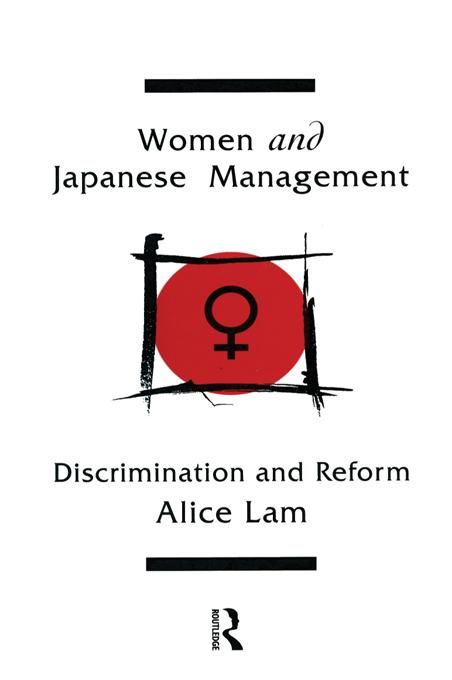
Standard works on the employment systems of Japanese companies deal almost exclusively with men. Women, however, constitute the vast majority of the low wage, highly flexible "non-core" employees.
This book breaks new ground in examining the role of Japanese women in industry. It assesses the extent to which growing pressure for equal opportunities between the sexes has caused Japanese companies to adapt their employment and personnel management practices in recent years.
The author puts the argument in an historical perspective, covering the employment of Japanese women from the start of Japan's industrialisation up to the turning point of the 1986 Equal Employment Opportunity (EEO) Law. She examines the background and execution of the legislation and she looks at the response of the business community. In her case study of the Seibu department store, which takes up the final part of the book, Lam concludes that the EEO Law has not had the desired effect.
Betaal eenvoudig met kaart, Klarna, Apple Pay of Google Pay. Niet tevreden? Je hebt altijd 14 dagen bedenktijd. Lees meer in onze voorwaarden. Heb je vragen, mail ons dan via hello@memmo.org.
Memmo maakt studeren makkelijker – waar je ook bent ter wereld. Wij brengen je cursusboeken en slimme studietools samen op één plek: samenvattingen, quizzen, podcasts en flashcards. En Ted, je studievriend die antwoord geeft op alles wat je je afvraagt. Meer dan 50.000 studenten studeren hier al – gebouwd om je sneller te laten leren en minder stress te geven.
Misschien vind je dit ook leuk
Koop het boek0