
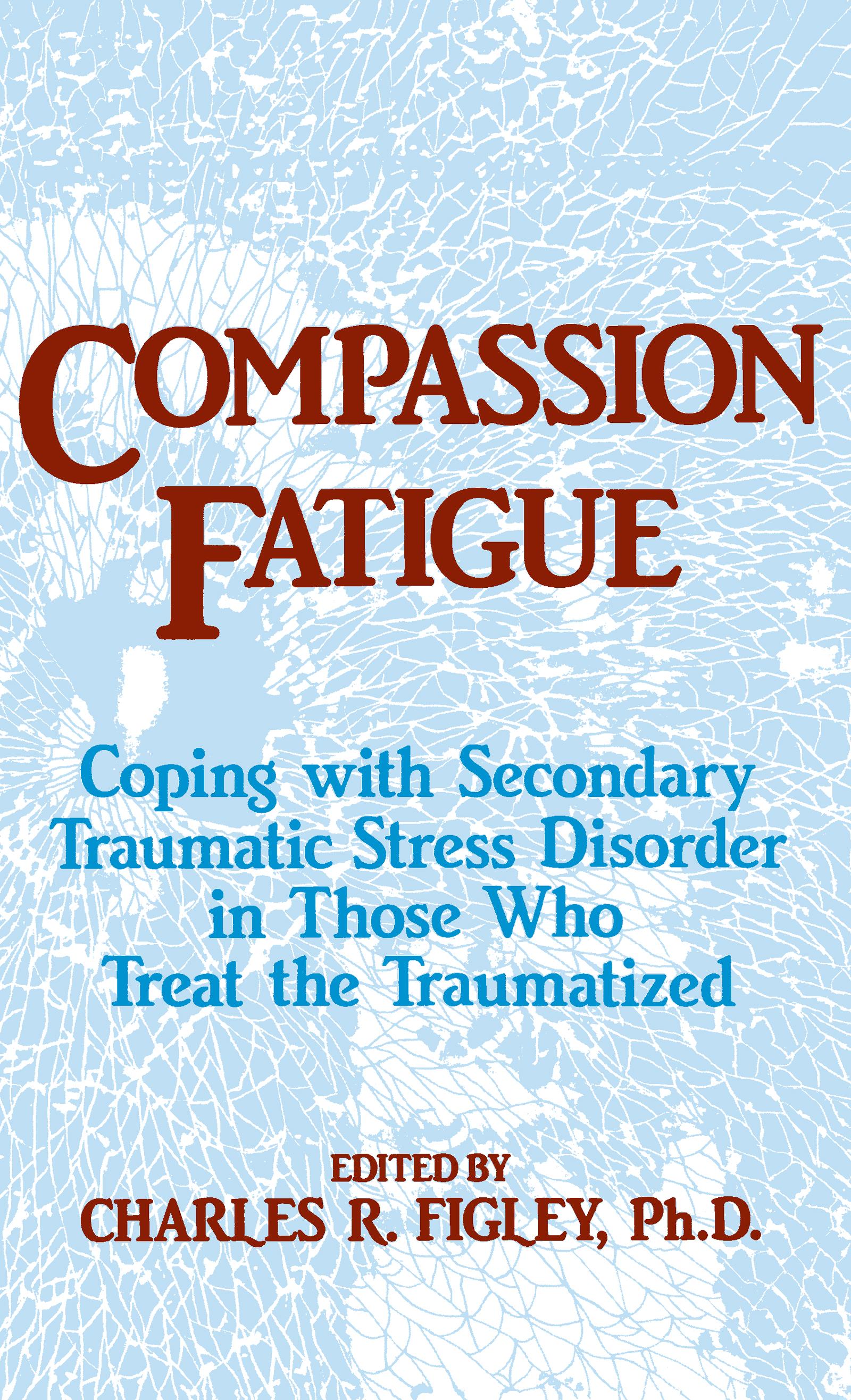
First published in 1995. Traumatology, or the field of traumatic stress studies, has become a dominant focus of interest in the mental health fields only in the past decade. Yet the origin of the study of human reactions to traumatic events can be traced to the earliest medical writings in Kunus Pyprus, published in 1900 B.C. in Egypt. Many factors account for the recent emergence of this field, including a growing awareness of the long-term consequences of shocking events. Among these consequences are violence toward others, extraordinary depression, dysfunctional behavior, and a plethora of medical maladies associated with emotional stress. This is the latest in a series of books that have focused on the immediate and long-term consequences of highly stressful events. The purposes of the book, then, are (a) to introduce the concept of compassion fatigue as a natural and disruptive by-product of working with traumatized and troubled clients; (b) to provide a theoretical basis for the assessment and treatment of compassion stress and compassion fatigue: (c) to explain the difference between compassion fatigue and PTSD, burnout, and countertransference; (d) to identify innovative methods for treating compassion fatigue in therapists, and (e) to suggest methods for preventing compassion fatigue.
Betaal eenvoudig met kaart, Klarna, Apple Pay of Google Pay. Niet tevreden? Je hebt altijd 14 dagen bedenktijd. Lees meer in onze voorwaarden. Heb je vragen, mail ons dan via hello@memmo.org.
Memmo maakt studeren makkelijker – waar je ook bent ter wereld. Wij brengen je cursusboeken en slimme studietools samen op één plek: samenvattingen, quizzen, podcasts en flashcards. En Ted, je studievriend die antwoord geeft op alles wat je je afvraagt. Meer dan 50.000 studenten studeren hier al – gebouwd om je sneller te laten leren en minder stress te geven.
Misschien vind je dit ook leuk
Koop het boek0