
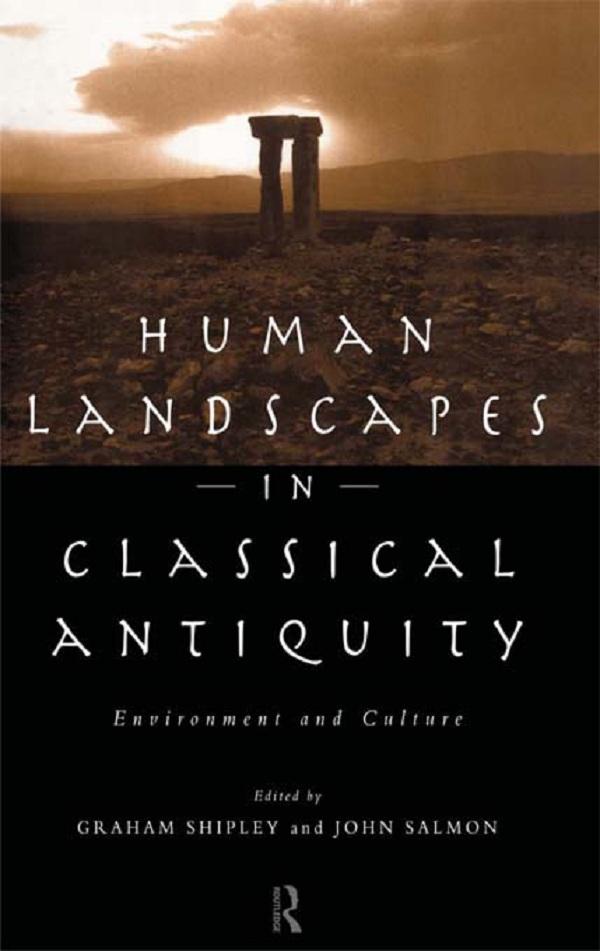
Human Landscapes in Classical Antiquity shows how today's environmental and ecological concerns can help illuminate our study of the ancient world. The contributors consider how the Greeks and Romans perceived their natural world, and how their perceptions affected society. The effects of human settlement and cultivation on the landscape are considered, as well as the representation of landscape in Attic drama. Various aspects of farming, such as the use of terraces and the significance of olive growing are examined. The uncultivated landscape was also important: hunting was a key social ritual for Greek and hellenistic elites, and 'wild' places were not wastelands but played an essential economic role. The Romans' attempts to control their environment are analyzed.
This volume shows how Greeks and Romans worked hand in hand with their natural environment and not against it. It represents an outstanding collaboration between the disciplines of history and archaeology.
Betaal eenvoudig met kaart, Klarna, Apple Pay of Google Pay. Niet tevreden? Je hebt altijd 14 dagen bedenktijd. Lees meer in onze voorwaarden. Heb je vragen, mail ons dan via hello@memmo.org.
Memmo maakt studeren makkelijker – waar je ook bent ter wereld. Wij brengen je cursusboeken en slimme studietools samen op één plek: samenvattingen, quizzen, podcasts en flashcards. En Ted, je studievriend die antwoord geeft op alles wat je je afvraagt. Meer dan 50.000 studenten studeren hier al – gebouwd om je sneller te laten leren en minder stress te geven.