
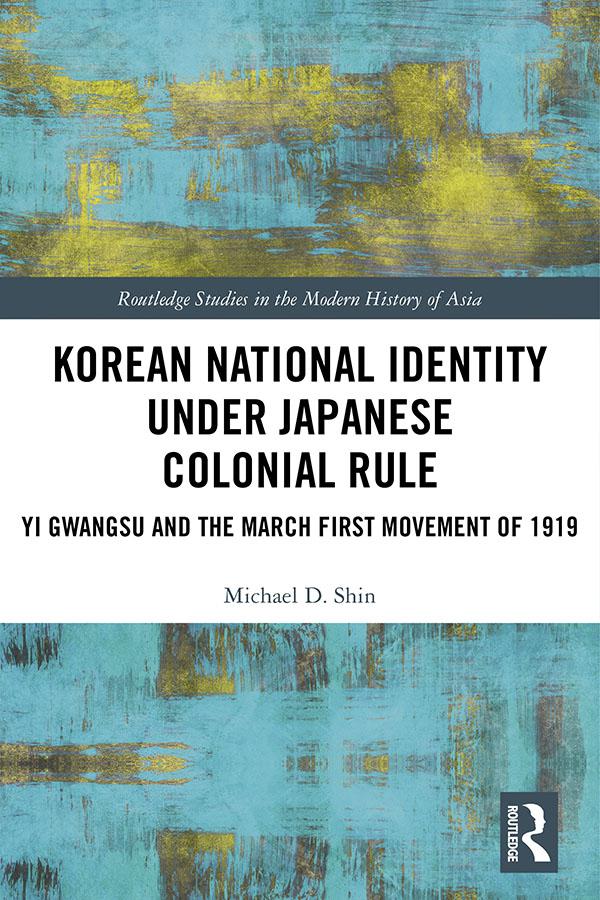
Modern Korean nationalism has been shaped by the turbulent historical forces that shook and transformed the peninsula during the twentieth century, including foreign occupation, civil war, and division. This book examines the emergence of the nation as the hegemonic form of collective identity after the March First Movement of 1919, widely seen as one of the major turning points of modern Korean history. The analysis focuses on Yi Gwangsu (1892–1950), a pioneering novelist, newspaper editor, and leader of the nationalist movement, who was directly involved in many aspects of its emergence during the Japanese occupation period. Yi Gwangsu was one of the few intellectuals who not only wrote for almost the entirety of the colonial period but who also was centrally involved in many institutions related to the production of identity. By focusing on Yi Gwangsu the book provides a different kind of historical narrative linking the various fragments of the nation, puts forward a new understanding of the March First Movement and its role in the emergence of the nation, and demonstrates how central to the emergence of the nation were the development of the print industry, the rise of a modern readership, and the emergence of a capitalist market for print. This book shows how the March First Movement catalyzed the confluence of these factors, enabling the nation to emerge as the dominant form of collective identity.
Betaal eenvoudig met kaart, Klarna, Apple Pay of Google Pay. Niet tevreden? Je hebt altijd 14 dagen bedenktijd. Lees meer in onze voorwaarden. Heb je vragen, mail ons dan via hello@memmo.org.
Memmo maakt studeren makkelijker – waar je ook bent ter wereld. Wij brengen je cursusboeken en slimme studietools samen op één plek: samenvattingen, quizzen, podcasts en flashcards. En Ted, je studievriend die antwoord geeft op alles wat je je afvraagt. Meer dan 50.000 studenten studeren hier al – gebouwd om je sneller te laten leren en minder stress te geven.
Misschien vind je dit ook leuk
Koop het boek0